
You might not realize it, but every time you speak at work—whether it’s a casual chat or a big meeting—you’re shaping your reputation. People notice how you talk, how you listen, and how you handle conflict. It’s not just about being clear. It’s about building trust and showing respect.
Let’s walk through the seven communication habits that make people say, “Now that’s someone I want on my team.”
Video: Effective Communication Skills in the Workplace | Communication at Work
Stop multitasking when people are talking
Listening is about more than nodding while checking your email. Real listening means eye contact, active engagement, and zero distractions.
Want to gain instant respect? Start your next one-on-one by putting your phone away and saying, “I’m all ears.” It sets a tone that says you care—and people will remember how you made them feel.

Reframe negativity with purpose
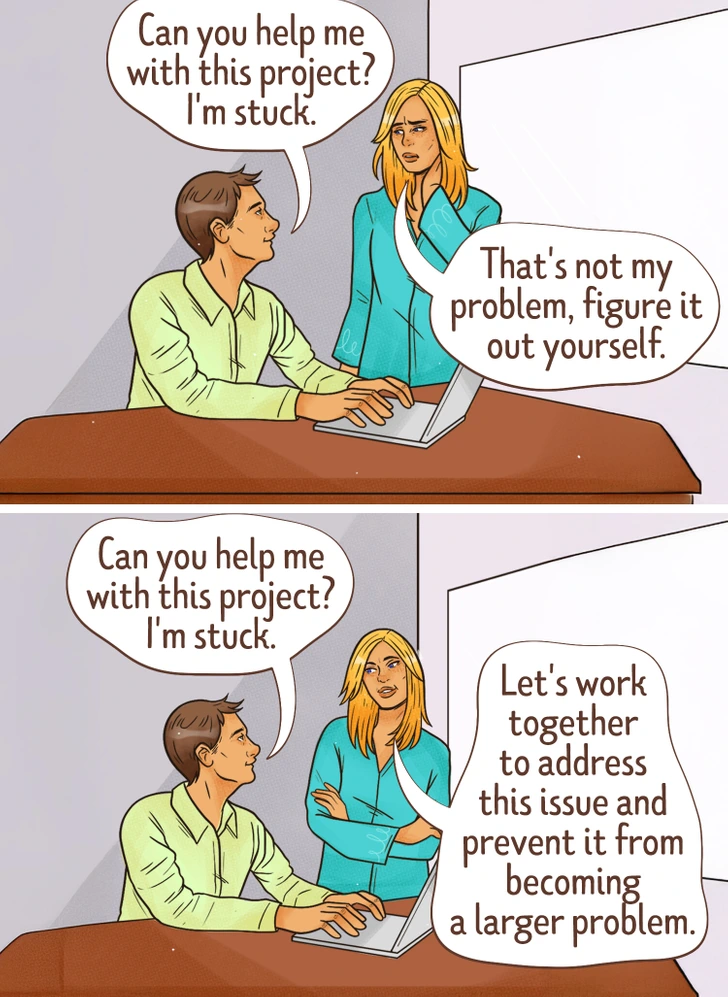
Instead of saying, “This isn’t possible,” say, “Here’s what we’d need to make that work.” That tiny shift keeps the conversation alive.
Words like “can’t,” “won’t,” or “unfortunately” shut doors. The best communicators use language that opens them. It’s not about sugarcoating—it’s about staying constructive, even when delivering tough news.
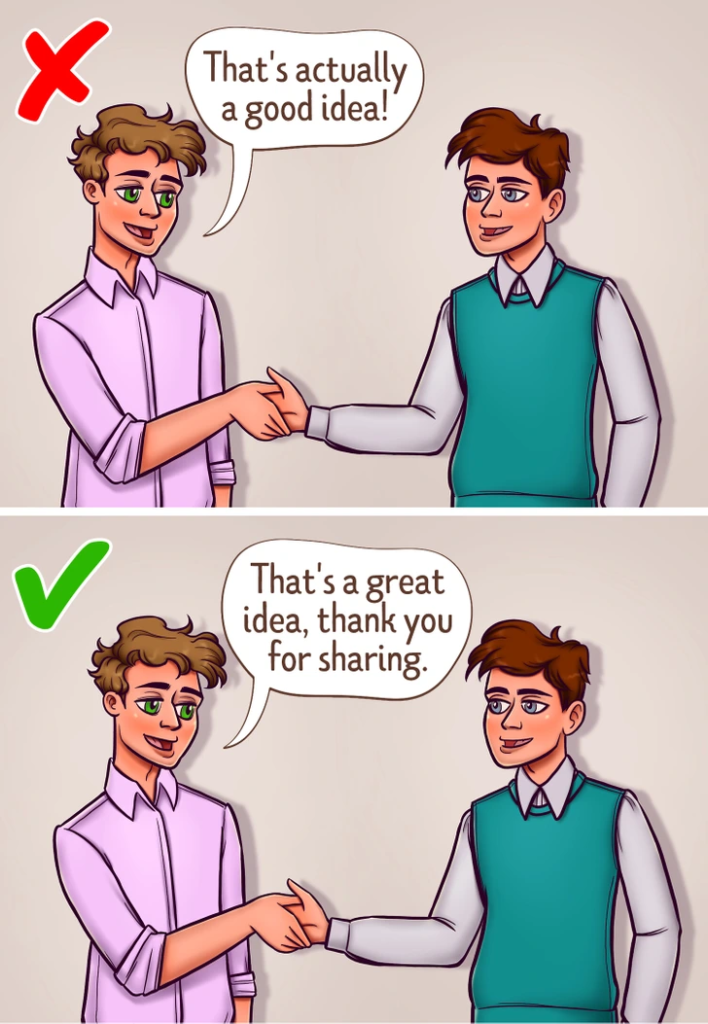
Don’t just dump problems—offer paths forward
If you bring a challenge to your manager, bring an idea too. Even if it’s not perfect, showing initiative counts.
Say something like, “We hit a blocker here. One option is [X], or we could try [Y].” It signals that you think critically and are solution-focused—which every leader values.
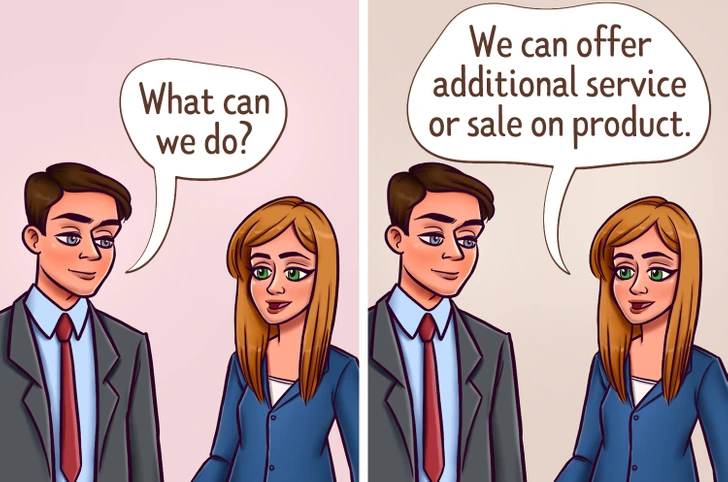
Handle boundaries like a pro
It’s okay to say no—just do it with tact. Try: “I want to give this the focus it deserves. Could we revisit timelines?” Or, “I’m happy to help—can we prioritize what’s on my plate first?”
Boundaries don’t have to be walls. They can be bridges—if you communicate them well.
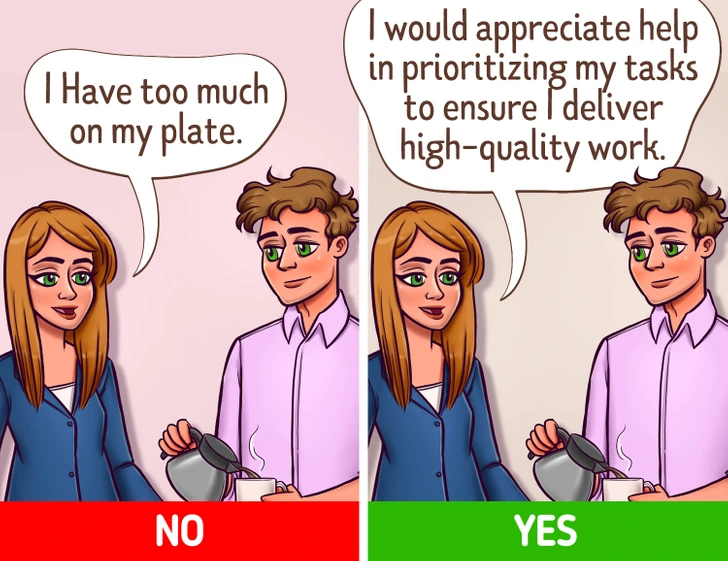
Kill the “sorry to bother you” habit

Stop apologizing for taking up space. Don’t start emails with “I know you’re busy, but…” Just say what you need to say.
Be respectful, but confident. You’re not an interruption—you’re a contributor. The best communicators don’t shrink themselves to be heard. They speak with clarity and let the message do the work.
Video: Communication Hack for Connection & Influence
Make your language more inclusive—every day
Inclusivity isn’t a buzzword. It’s about creating space where people feel safe and respected. Use phrases like “the team” instead of “you guys.” Say “partner” instead of assuming “husband” or “wife.”
These choices show that you pay attention—and in today’s workplace, that awareness builds connection fast.
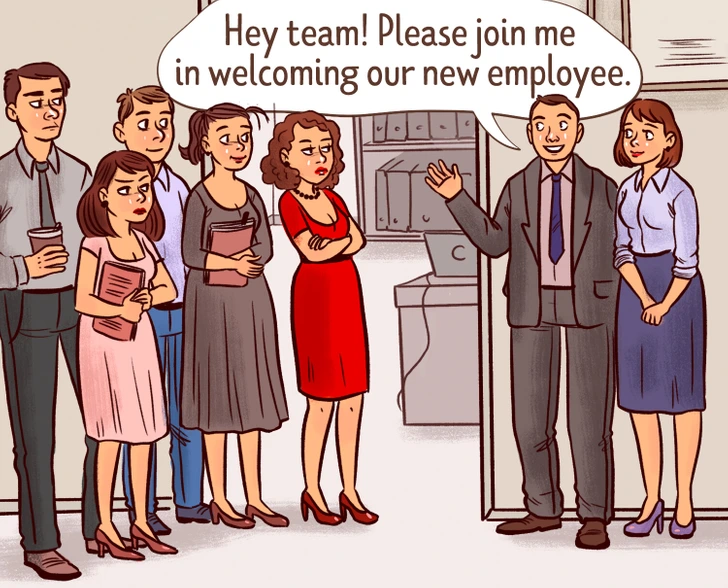
Your follow-through is your reputation
If you say you’ll send an update by end of day—send it. If you commit to a deliverable, meet the deadline. It’s not just good manners. It’s how people learn to trust you.
And if something changes? Communicate early. Transparency earns far more respect than perfection ever will.
You don’t need a booming voice or flashy words to be a powerful communicator. You just need to show up with clarity, empathy, and purpose. How you speak tells people how you lead—even if you’re not in a leadership role yet.
Small changes add up fast. So whether it’s ditching filler words, setting healthy boundaries, or choosing language that lifts others—your voice matters.
Use it well, and your work will speak for itself.