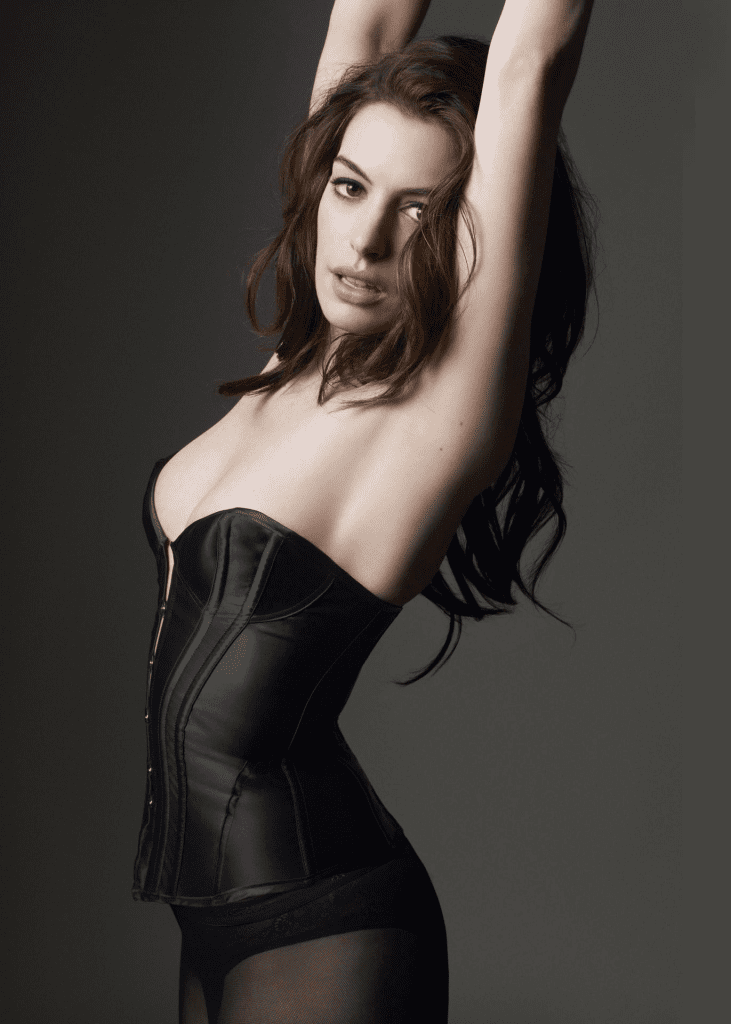
Some careers feel manufactured. Anne Hathaway’s doesn’t. Hers feels earned—scene by scene, risk by risk, role by role. From awkward princess to tragic heroine to commanding leading woman, Hathaway’s journey is proof that talent paired with persistence can outlast trends, critics, and expectations. Born on November 12, 1982, in Brooklyn, New York, Anne Hathaway didn’t stumble into fame. She chased it, shaped it, and ultimately redefined it on her own terms. So how did a theater-loving kid from New Jersey become one of the most respected actors of her generation? Let’s break it down.
Video: Anne Hathaway Sexy
Early Life and Artistic Roots
Anne Hathaway grew up in Millburn, New Jersey, in a home where creativity wasn’t optional—it was part of daily life. Her mother, Kate McCauley Hathaway, was a stage actress, and young Anne spent countless hours absorbing the rhythm of rehearsals, scripts, and performances. Acting found her early. School plays, community theater, and local productions became her playground. This wasn’t about chasing applause. It was about storytelling. Even then, she understood the emotional exchange between actor and audience, and that early exposure planted a seed that never stopped growing.

Formal Training and Building the Craft
Talent opens doors. Training keeps them open. After high school, Hathaway attended New York University’s Tisch School of the Arts and later studied at The Barrow Group. These programs didn’t just polish her skills—they toughened her mindset. She learned discipline, vulnerability, and how to disappear into a role rather than perform at it. This foundation became her safety net as her career accelerated. When fame arrived fast, her craft kept her grounded.
The Breakout That Changed Everything
In 2001, Anne Hathaway became a household name overnight with The Princess Diaries. As Mia Thermopolis, the socially awkward teenager who discovers she’s royalty, Hathaway struck a perfect balance between humor and heart. She wasn’t playing a fantasy—she was playing insecurity, confusion, and growth. Audiences saw themselves in her. The film became a box-office success, and suddenly Hathaway was everywhere. Instead of leaning into typecasting, she quietly prepared to pivot.

Growing Beyond the Fairytale Image
Success can be a trap. Hathaway refused to let it be one. After reprising her role in the sequel, she began choosing projects that stretched her emotionally and artistically. One of the first major signals came in Brokeback Mountain. Her portrayal of Lureen Newsome was subtle, restrained, and deeply human. This wasn’t a loud performance. It was a confident one. Critics noticed, and so did casting directors.
A Career-Defining Turn in Fashion and Drama
Then came The Devil Wears Prada. Opposite Meryl Streep, Hathaway played Andy Sachs—a character navigating ambition, identity, and compromise. What made the role work wasn’t the wardrobe or the wit. It was relatability. Andy felt real, conflicted, and human. The film became a cultural landmark, and Hathaway proved she could hold her own alongside legends. That moment didn’t crown her. It confirmed her.

Transformation and Critical Acclaim
If there’s one role that cemented Anne Hathaway’s place among elite performers, it’s Fantine in Les Misérables. Her performance was stripped down, raw, and emotionally devastating. The iconic rendition of “I Dreamed a Dream” wasn’t polished—it was painfully honest. No safety net. No emotional armor. That risk paid off with an Academy Award for Best Supporting Actress and reshaped how the industry viewed her. Hathaway wasn’t just versatile. She was fearless.

Why This Performance Still Matters
This role wasn’t about accolades. It was about commitment. Hathaway physically transformed, emotionally exposed herself, and trusted the audience to meet her there. That kind of performance lingers. It becomes a reference point.
Thriving Across Genres in a Changing Industry
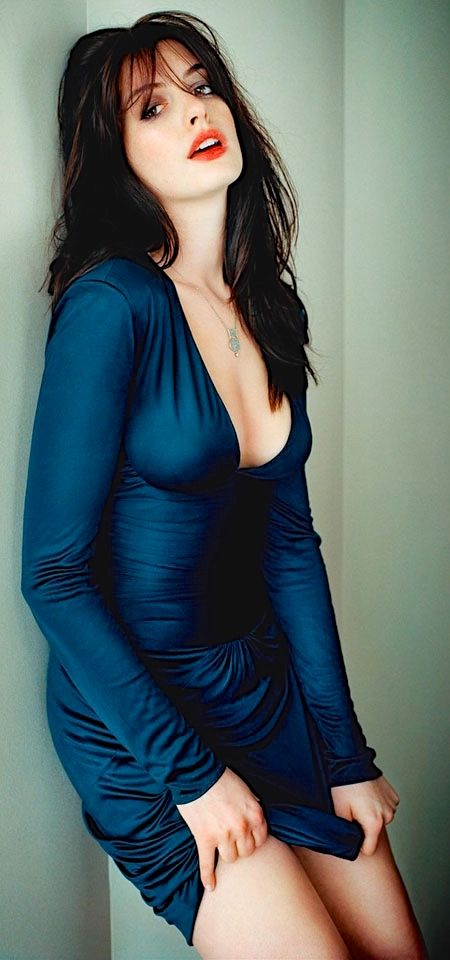
While many actors struggle to adapt, Hathaway evolved effortlessly. From Interstellar to Ocean’s 8 to The Hustle, she’s proven her range isn’t confined to one genre. Drama, comedy, science fiction—she moves between them like changing seasons. Her work in streaming projects such as Modern Love shows a keen understanding of where storytelling is headed. She doesn’t chase platforms. She follows strong narratives, and that’s longevity by design.

Public Perception, Resilience, and Reinvention
Anne Hathaway’s career hasn’t been free of scrutiny. Few high-profile careers are. What sets her apart is how she responds—not with defensiveness, but with growth. She’s spoken openly about self-doubt, reinvention, and learning when to step back and when to step forward. That honesty resonates. In an industry obsessed with perfection, authenticity has become her quiet superpower.

Legacy and Lasting Influence
Anne Hathaway’s legacy isn’t just about awards or box-office numbers. It’s about consistency, courage, and control over her narrative. She’s built a career that values craft over hype and substance over shortcuts. Younger performers look to her as proof that reinvention is possible—and necessary. Like a skilled conductor, she’s learned when to lead and when to listen.
Anne Hathaway’s journey from a theater-loving kid in New Jersey to a globally respected actor isn’t a fairytale—it’s a blueprint built on discipline, smart choices, and the willingness to take creative risks. She didn’t just grow up in the spotlight. She grew into it. And as her career continues to evolve, one thing feels certain: Anne Hathaway isn’t done surprising us. She’s just getting better at it.