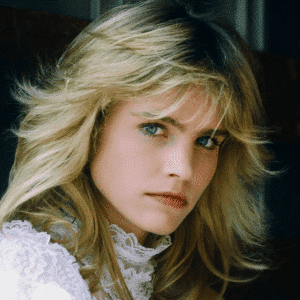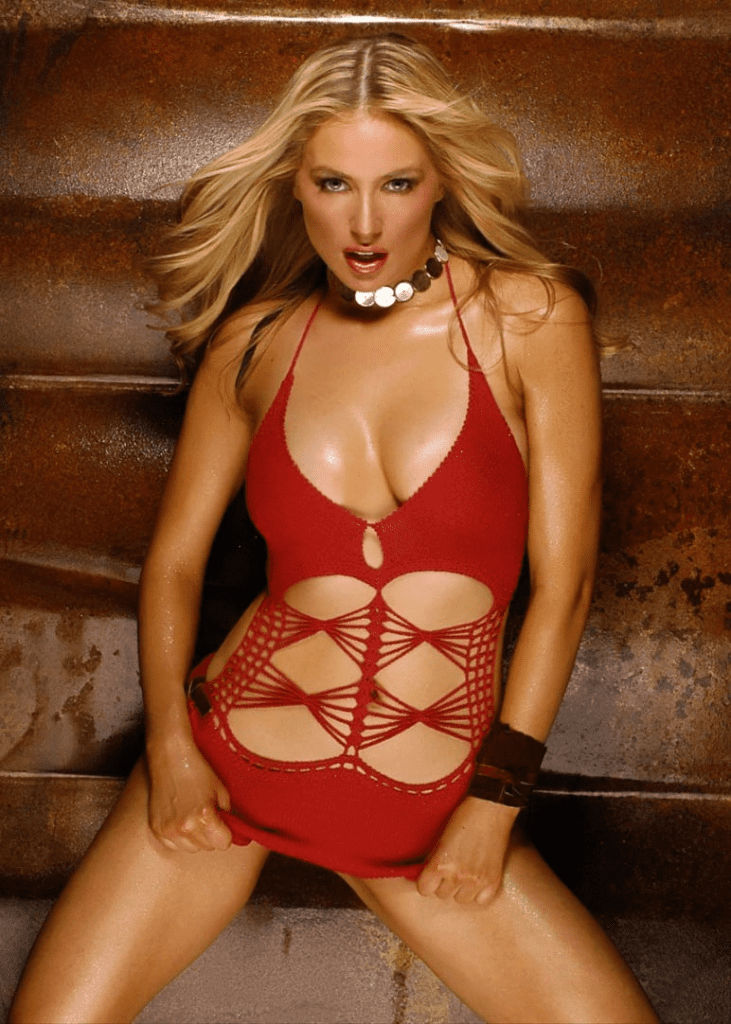
Cara Wakelin was born on February 8, 1977, in Melbourne, Victoria, Australia. But her story didn’t stay in Australia for long. Her family relocated to Toronto, Canada, where she was raised by her single mother alongside her siblings.
She was a triplet — a rare and special bond — though the family experienced tragedy with the loss of one sibling. That kind of early life experience shapes a person. It builds resilience. It builds perspective.
Growing up, Cara wasn’t the loudest person in the room. She attended the Etobicoke School of the Arts, where creativity thrived, but she described herself as shy and introverted. Later, she enrolled at McMaster University, focusing on her education rather than dreaming of cameras and covers.
And yet, sometimes the most unexpected paths become the most defining ones.
Video: Playmate Cara Wakelin Photo Shoot
The Audition That Changed Her Life
Have you ever stood at a crossroads where one decision could change everything?
In 1998, Cara found herself at exactly that point. During her final year of school, she saw an advertisement for a modeling search. Instead of dismissing it, she decided to audition for the “Millennium Playmate” search.
It wasn’t an impulsive move. She had her mother’s full support — a detail that says a lot about the trust and closeness within their family.
After completing a successful test shoot, she was selected as Playmate of the Month in November 1999. Practically overnight, the shy university student stepped into an international spotlight.
It’s almost cinematic, isn’t it? One bold decision. One audition. A completely new chapter.
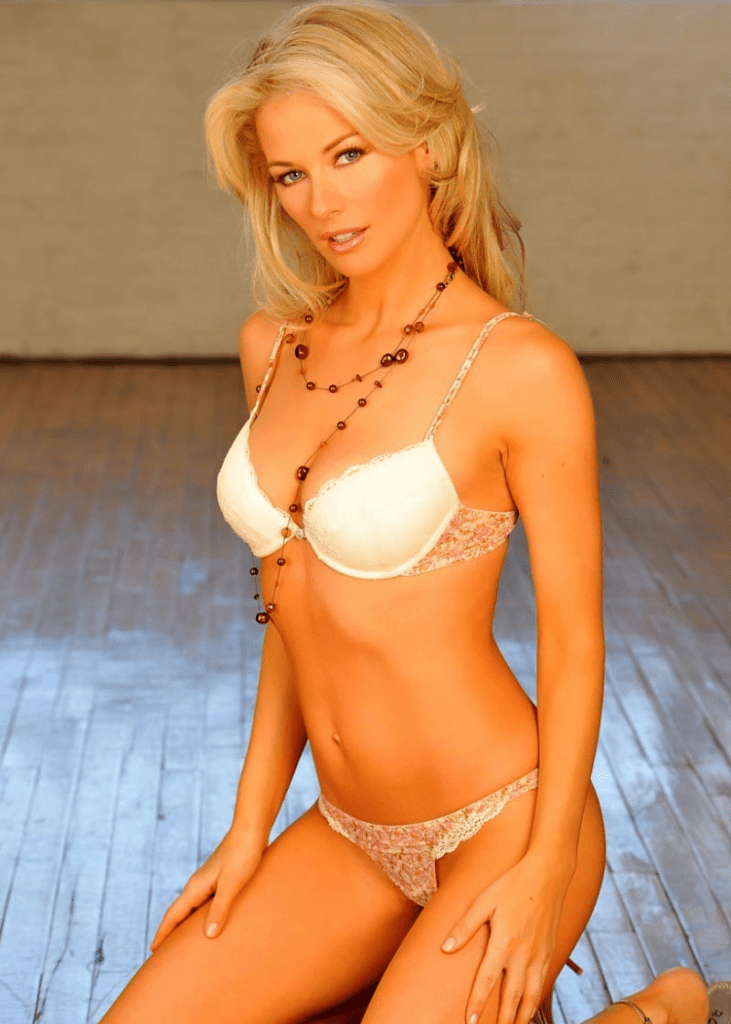
The Canadian Cover That Created a Buzz
A Hockey Jersey That Sold Out Across the Country
One of the most talked-about highlights of her modeling career came when she appeared on the cover of the Canadian edition wearing a hockey jersey — a nod to one of the country’s strongest cultural symbols.
The result?
The issue sold out across Canada within two weeks.
That kind of response doesn’t happen by accident. It was a perfect blend of timing, branding, and personality. She wasn’t just featured — she connected.
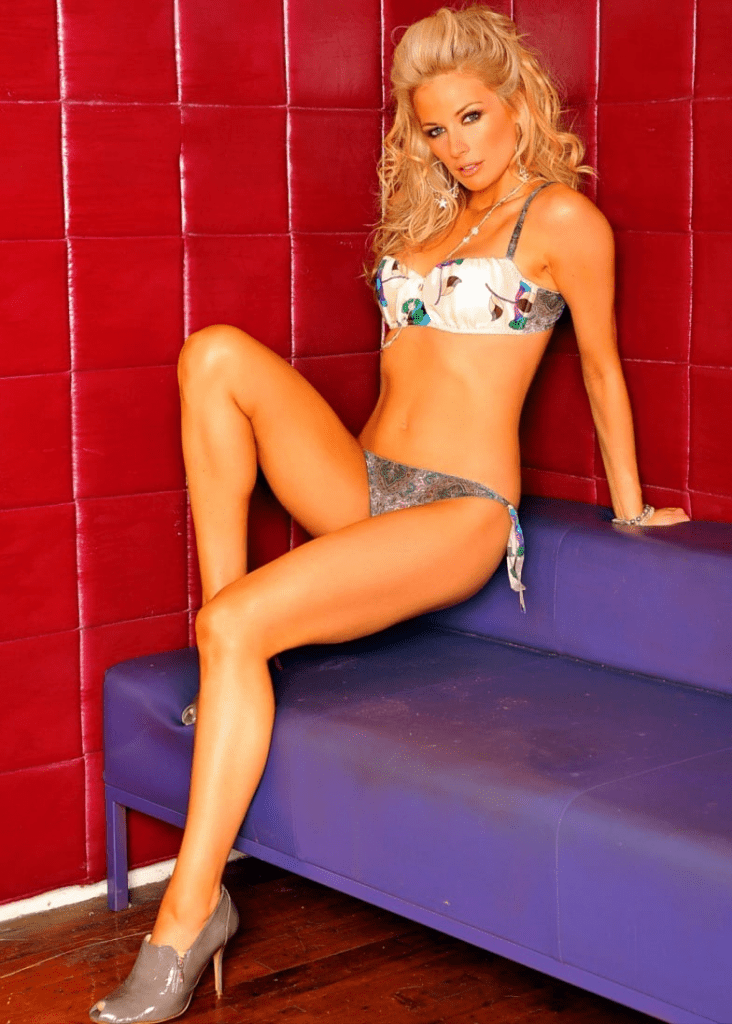
Cara went on to appear in seven covers and seven major photo sets before retiring from modeling in 2010. Her appeal extended beyond Canada, landing her on international covers in Greece, Italy, and Poland.
Seven covers may sound like a number. But in the modeling world, that represents influence, demand, and staying power.
Video: On Set – Photo Shoot with Playmate Cara Wakelin 2
Building a Career Beyond Modeling
Stepping Into Film and Television
Some people shine in one arena. Others expand.
Cara expanded.
She appeared in the 2002 film Death to Smoochy, adding a feature film credit to her résumé. She also took on a role in the television series Relic Hunter, proving she could transition from still photography to moving frames.
Acting requires emotional presence. It demands timing and adaptability. Cara approached it with the same poise she brought to modeling.
Media Appearances and Public Recognition
In 2004, she appeared on The Howard Stern Show, one of the most talked-about radio programs of its time. That appearance reinforced her cultural relevance.
In 2005, she participated in the Playmates at Play calendar, continuing her presence in entertainment media. These appearances weren’t random; they were strategic. Each step expanded her recognition beyond magazine pages.
Major Brand Collaborations and Commercial Influence
Working With Global Companies
Cara’s career wasn’t limited to editorial work. She modeled for major brands including Coca-Cola, Miller Brewing Company, and Budweiser.
This is where modeling turns into business.
When global companies choose a face to represent them, they look for market appeal and reliability. Cara had both.
These partnerships positioned her not just as a model, but as a commercially viable personality. She became recognizable not only on covers, but in advertising campaigns seen by millions.
That shift from magazine features to global brands reflects credibility — the kind that sustains a career.
Life After the Spotlight
By 2010, Cara stepped away from active modeling. Instead of chasing constant visibility, she chose balance.
Today, she divides her time between Los Angeles and Toronto. Public information about her personal life remains limited. There are no confirmed records of marriage or children, and she has kept her political views private.
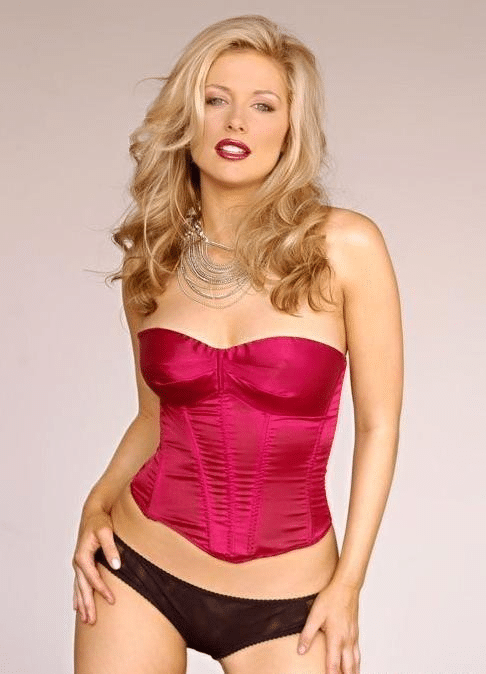
In an era where many public figures document every detail online, her quiet lifestyle stands out.
It’s almost like watching someone close a book gently rather than slam it shut. She didn’t disappear dramatically. She simply shifted focus.
And honestly? That kind of discretion feels intentional.
The Power of Reinvention and Personal Choice
What stands out most about Cara Wakelin isn’t just the covers or film credits. It’s the arc of her journey.
She began as a shy arts student. She became an international cover model. She transitioned into acting. Then she stepped back into privacy.
That’s reinvention.
Her story reminds me that identity isn’t fixed. We evolve. We adapt. We pivot.
Sometimes we chase the spotlight. Other times, we protect our peace.
Cara did both.
Cara Wakelin’s journey is a powerful example of how one bold decision can alter the course of a life. From Melbourne to Toronto, from university classrooms to international covers, she built a career that blended creativity, commercial success, and media presence.
She appeared on seven covers, worked with major global brands, and expanded into film and television. Yet perhaps her most defining move was choosing privacy after years in the spotlight.
Success isn’t just about fame. It’s about direction. It’s about knowing when to step forward — and when to step back.
Cara Wakelin’s story captures both sides of that equation beautifully.