
Hollywood is a place where last names can open doors—and quietly close minds. When you’re born into a dynasty, expectations arrive before you do. For Dakota Johnson, being the daughter of Melanie Griffith and Don Johnson, and the granddaughter of Tippi Hedren, fame wasn’t a question—it was the weather. Constant. Unavoidable. But here’s the twist: by 2026, Dakota didn’t just survive that climate. She reshaped it.
She took the weight of heritage and turned it into momentum. Not by rebelling loudly, but by choosing deliberately. Think of it like learning to surf a wave everyone else warned you about—then riding it into waters nobody predicted.
Growing Up Famous Without Letting Fame Grow Her
Being born into Hollywood royalty is often framed as a cheat code. In reality, it’s more like inheriting a house where every room already has a story—and you’re expected to live in all of them at once. Dakota grew up watching careers rise, stall, and reinvent themselves. She learned early that fame isn’t a finish line; it’s a moving target.
Instead of sprinting toward validation, she took the scenic route. Small roles. Quiet risks. A steady build. That patience would matter later, when the spotlight turned blinding.

The Breakthrough That Tested Her Nerves
When Dakota stepped into a global franchise, the pressure wasn’t just professional—it was psychological. Sudden fame can feel like being dropped into a stadium mid-game, lights blazing, crowd roaring, rules unclear. The world watched. Opinions poured in. Expectations multiplied.
But she didn’t flinch. She adapted. She learned how to compartmentalize noise from signal, hype from craft. The experience became less about being defined by a single role and more about understanding the machinery of attention. Once you see how the gears turn, you can decide when to step in—and when to step out.
Choosing Art Over Comfort
Here’s where the pivot happened. Instead of coasting, Dakota redirected her energy toward projects that challenged her—and the audience. Films like Suspiria and The Lost Daughter weren’t about mass appeal. They were about texture, discomfort, and emotional truth.
This wasn’t a rejection of success. It was a redefinition of it. She used visibility as leverage, funding creative freedom with mainstream recognition. Like building a quiet workshop behind a noisy storefront, she carved out space to experiment, stretch, and sometimes fail on her own terms.

Mastering the Art of Being Real
If you’ve ever watched one of Dakota’s interviews, you know the vibe. Calm. Dry. Disarmingly honest. She has a knack for turning awkward moments into small performances—never cruel, never defensive. Just present.
That presence isn’t accidental. It’s a form of social intelligence, a way of staying grounded in an industry that thrives on illusion. When she speaks openly about mental health, including her own long-term experience with depression, it doesn’t feel like a headline grab. It feels like a conversation you didn’t know you needed.
By treating mental health as a human reality rather than a scandal, she shifts the narrative. Less whispering. More understanding. That kind of honesty doesn’t shout—but it echoes.
From Performer to Architect
The biggest evolution came when Dakota moved behind the camera. Through TeaTime Pictures, she stepped into a role that requires vision, patience, and taste. Producing isn’t about being seen; it’s about seeing others clearly.
Her focus has been consistent: character-driven stories, complex women, and narratives that don’t flatten emotion into easy answers. In a system long optimized for speed and spectacle, she’s advocating for nuance and depth. It’s not flashy work. It’s foundational work.
Think of it as redesigning the blueprint instead of repainting the walls.
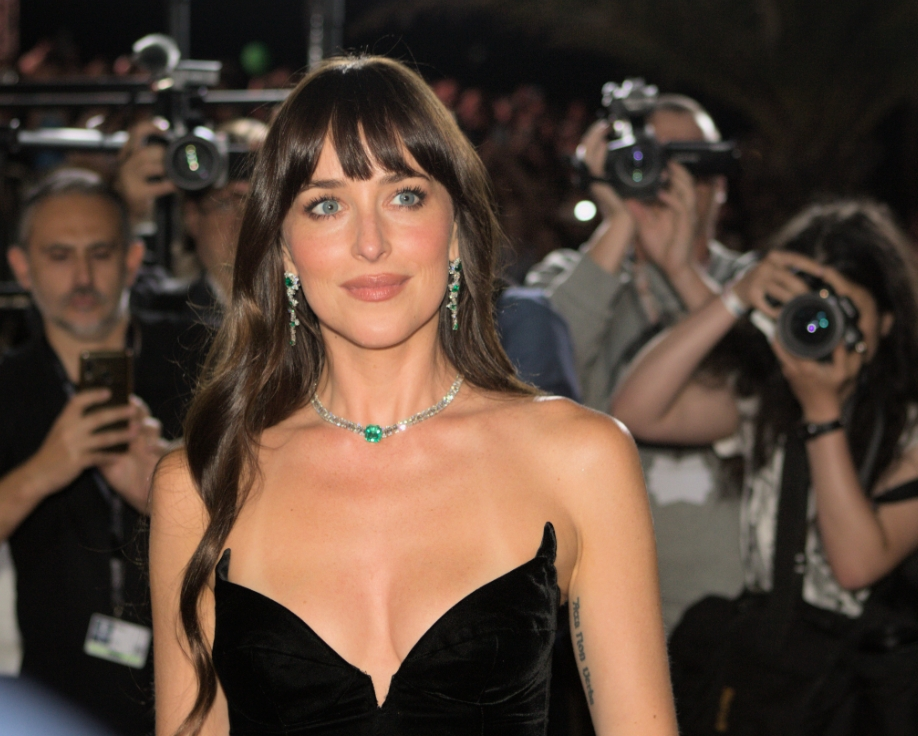
Redefining Legacy on Her Own Terms
By 2026, Dakota Johnson’s career reads less like a continuation and more like a transformation. She didn’t erase her lineage. She integrated it—then expanded beyond it. Her legacy isn’t just about where she came from. It’s about what she’s choosing to build.
She’s proof that inheritance doesn’t have to be a cage. With enough intention, it can be scaffolding. And once the structure stands, you’re free to redesign the entire space.
Dakota Johnson’s journey isn’t a fairytale or a rebellion. It’s a study in balance. She honored her roots without being trapped by them. She used fame without letting it use her. And she turned access into agency.
In an industry obsessed with shortcuts, she chose craftsmanship. In a culture addicted to noise, she practiced restraint. She’s no longer just part of a famous family tree—she’s the one quietly cultivating new ground, proving that true independence isn’t about breaking away. It’s about building forward.