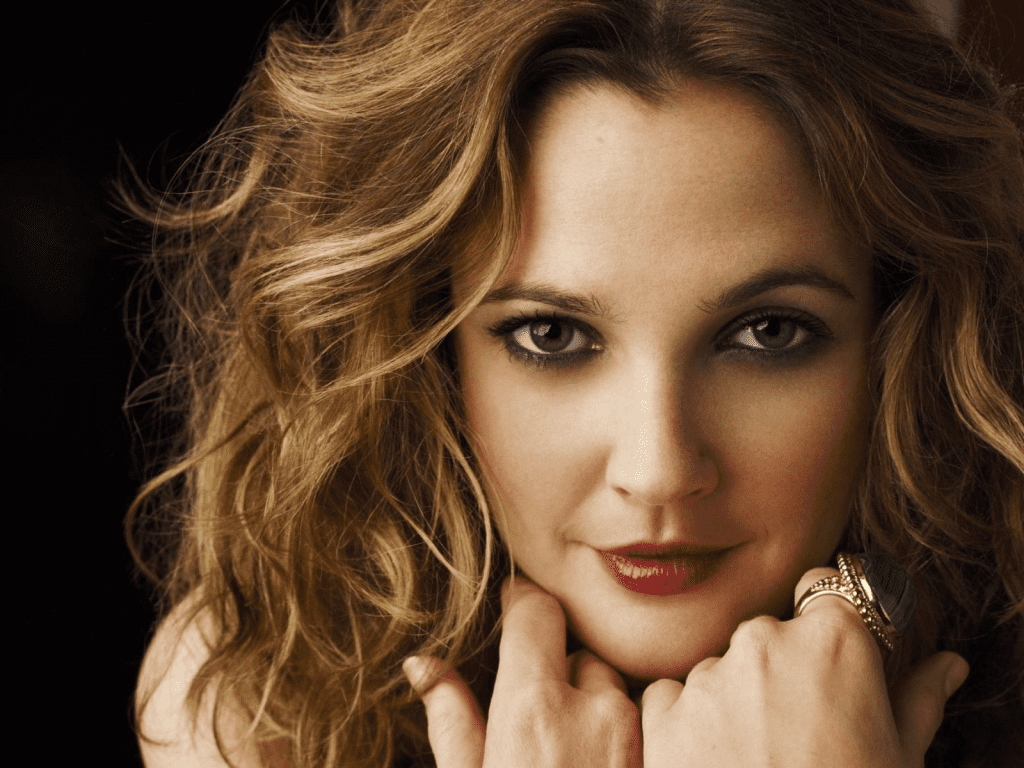
Some Hollywood stories feel manufactured. Drew Barrymore’s never did. Hers feels lived-in, bruised, joyful, messy, and real. She didn’t just grow up in front of the camera—she survived it, reshaped it, and eventually mastered it. From child star to actress, producer, director, talk-show host, and entrepreneur, Drew Barrymore’s journey reads less like a fairytale and more like a comeback anthem that never stops playing pasted
Let’s talk about why her story still hits home.
Video: Drew Barrymore’s Classic First Appearance
HOLLYWOOD IN HER DNA FROM DAY ONE
Drew Blythe Barrymore was born on February 22, 1975, in Culver City, California, into one of the most famous acting families in history. The Barrymore name carried generations of stage and screen legacy. Acting wasn’t just a career option—it was the family language.
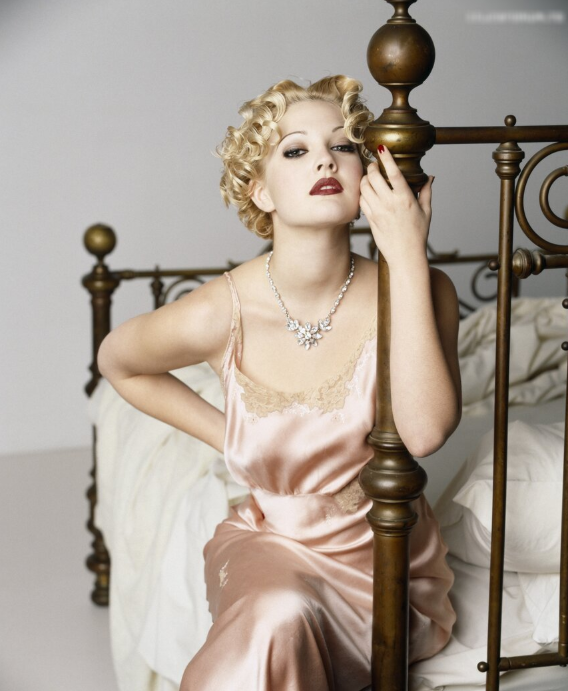
But legacy can be a double-edged sword. It opens doors, sure, but it also adds pressure. Expectations. Comparisons. Drew didn’t just inherit fame—she inherited weight.
Video: Weekend Lover [UST] “Poison Ivy” (1992)
Still, destiny moved fast. At just 11 months old, she appeared in a television commercial. By age seven, she captured hearts worldwide in E.T. the Extra-Terrestrial. Overnight, she became everyone’s favorite kid.
And that’s where things got complicated.
WHEN FAME COMES TOO EARLY
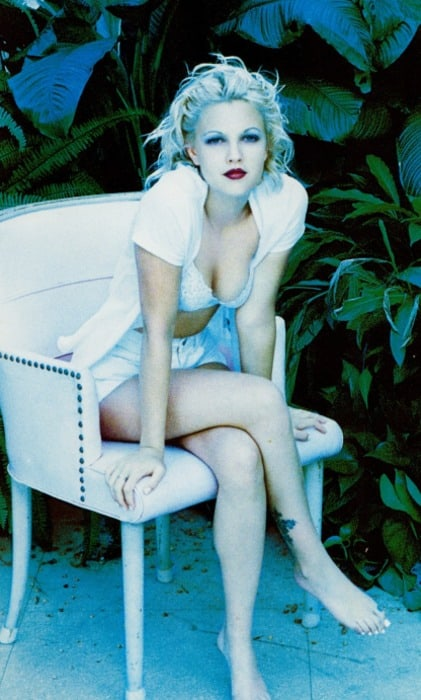
Child stardom looks shiny from the outside. Inside, it can crack foundations. Drew’s early success came without the emotional armor needed to handle it. Exposure arrived before protection.
Video: Drew Barrymore
By her early teens, her life spiraled. Substance abuse, instability, and a lack of boundaries pulled her off course. Rehab at 13. Legal emancipation at 15. These aren’t footnotes. They’re survival chapters.
But here’s the part that matters most—she didn’t stay there.
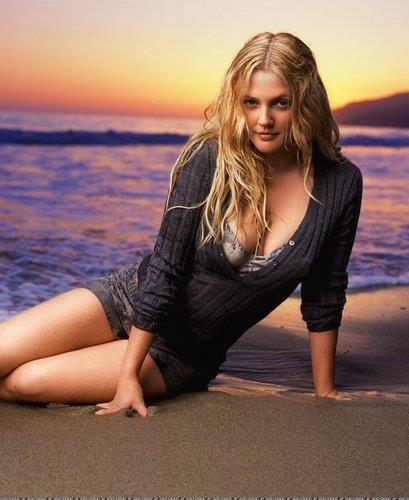
CHOOSING REINVENTION OVER DESTRUCTION
Reinvention isn’t a glow-up montage. It’s slow. It’s uncomfortable. And it often scares people watching you change.
In the 1990s, Drew made bold choices. She took on darker, more complex roles that forced audiences to reframe how they saw her. Films like Poison Ivy and Guncrazy weren’t about shock—they were about ownership. She took control of her narrative.
Then came Scream. One scene. Massive impact. It reminded Hollywood that Drew Barrymore wasn’t a relic of the past—she was evolving.

THE ERA THAT MADE HER A HOUSEHOLD FAVORITE
The late 1990s and early 2000s changed everything. Drew stepped into romantic comedies and made them feel human. Not glossy. Not fake. Human.
The Wedding Singer. Never Been Kissed. 50 First Dates. These films worked because Drew brought vulnerability without weakness and humor without trying too hard. Watching her felt like talking to a friend who just happens to be funny, charming, and emotionally open.
Audiences trusted her. That trust became box-office gold.
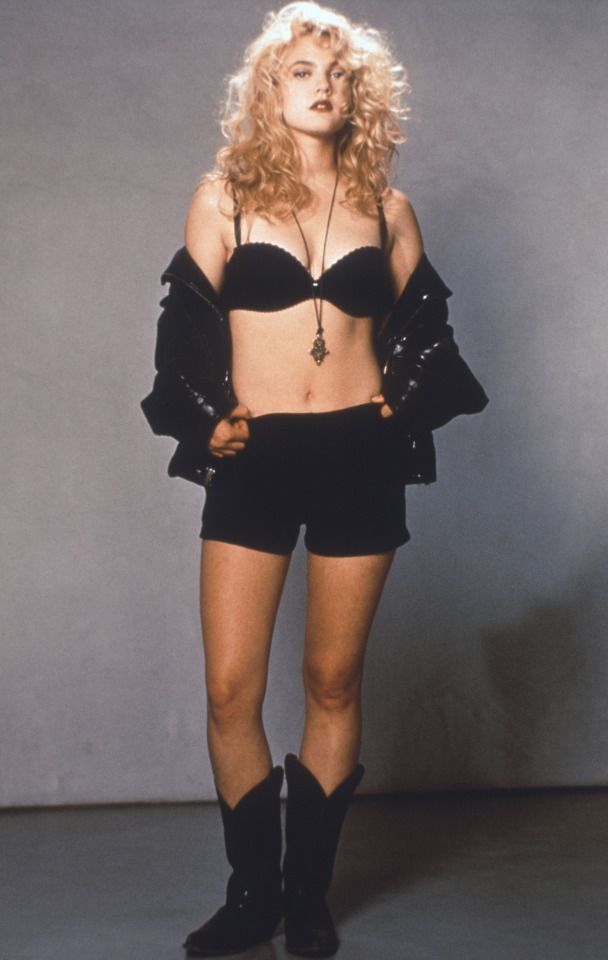
CREATIVE CONTROL AND BUILDING HER OWN LANE
Instead of waiting for opportunities, Drew created them. She co-founded Flower Films and started producing her own projects. That move changed her trajectory.
Charlie’s Angels wasn’t just a hit—it was proof she could lead major franchises while shaping stories behind the scenes. Later, directing Whip It showed her eye for storytelling and female-driven narratives.
She wasn’t climbing Hollywood’s ladder anymore. She was building her own staircase.
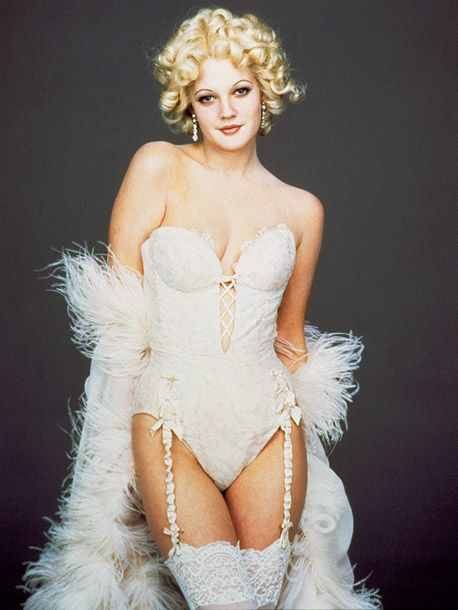
PERSONAL LIFE, PUBLIC EYES, PRIVATE GROWTH
Drew’s personal life stayed under the microscope. Marriages, divorces, and motherhood all played out in public view. But something shifted when she became a mother.
Parenthood grounded her. It slowed the noise. She became intentional—about work, boundaries, and time. Co-parenting, healing, and growth became priorities, not press headlines.
Her evolution wasn’t dramatic. It was deliberate.
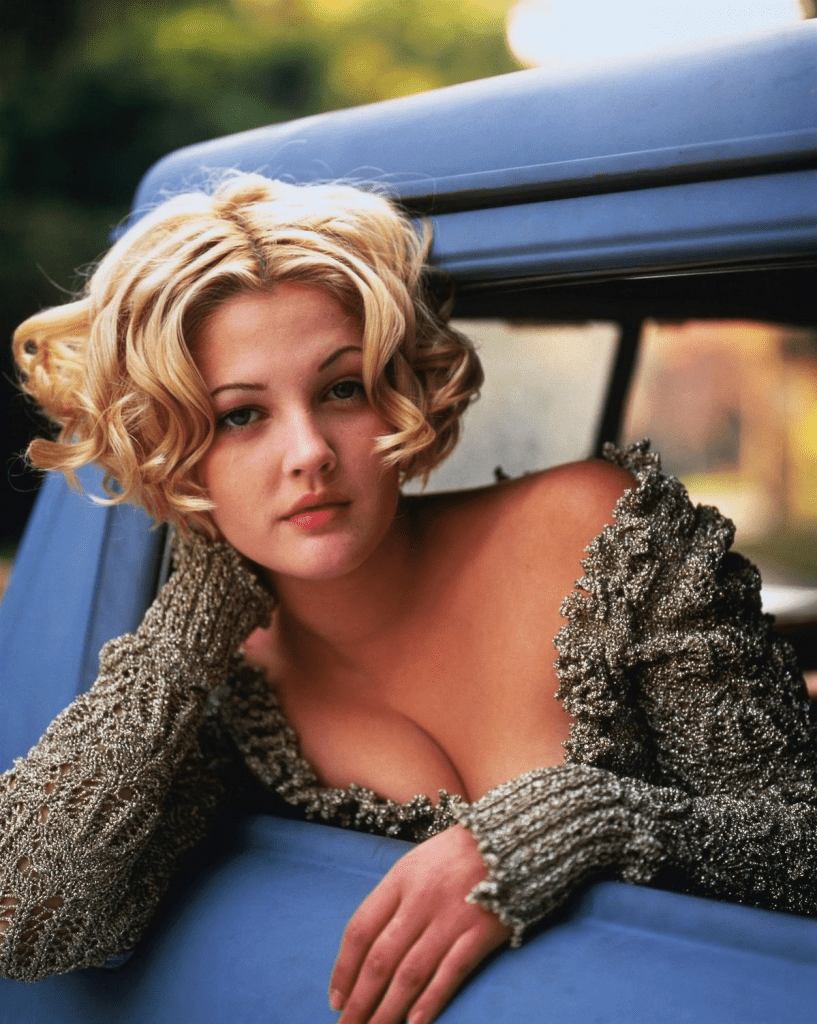
A NEW ERA: TALK SHOWS AND BUSINESS MOVES
In recent years, Drew expanded her reach again. The Drew Barrymore Show isn’t loud or confrontational. It’s warm. Curious. Kind. It reflects exactly who she’s become—open, reflective, and deeply human.
Then there’s Flower Beauty. Affordable. Inclusive. Accessible. It mirrors her philosophy: beauty shouldn’t be exclusive, and confidence shouldn’t be expensive.
These ventures aren’t side projects. They’re extensions of her voice.

WHY DREW BARRYMORE STILL MATTERS
In an industry obsessed with reinvention, Drew Barrymore proves something important—you don’t need to erase your past to evolve. You just need to learn from it.
She didn’t outrun her struggles. She integrated them. That’s why her story resonates. It’s not polished perfection. It’s progress.
Think of her career like a long road trip. There were wrong turns, breakdowns, and detours. But she kept driving.
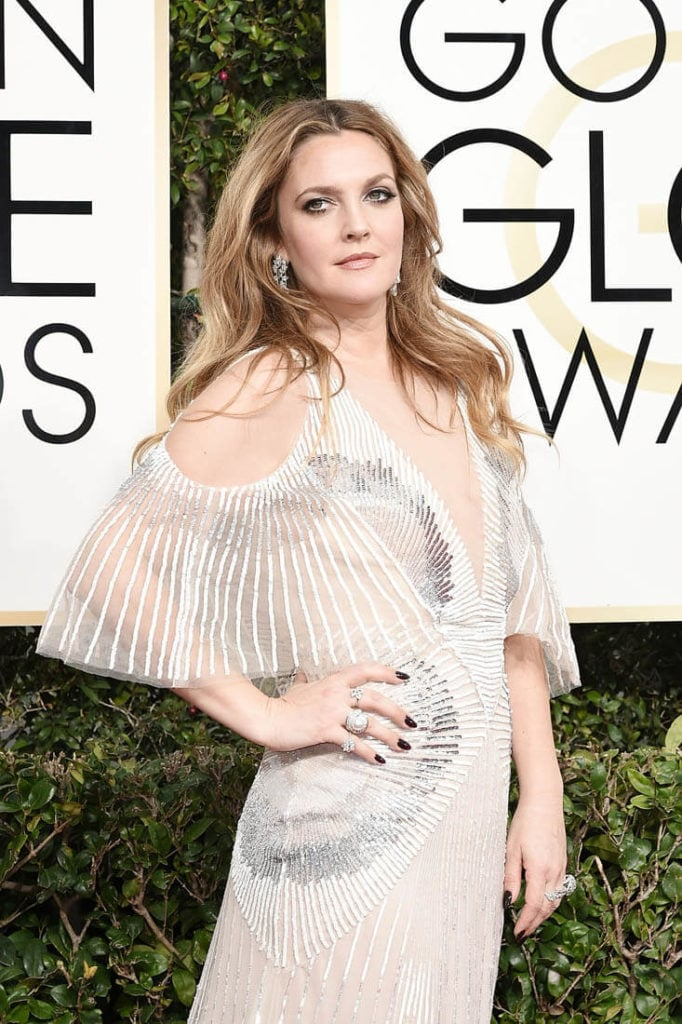
Drew Barrymore’s story isn’t about surviving Hollywood—it’s about redefining success on your own terms. She turned early chaos into clarity, fame into freedom, and vulnerability into strength.
From child star to creative powerhouse, she’s shown us that reinvention doesn’t have an expiration date. And maybe that’s her greatest legacy—not the films, not the shows, not the brand—but the reminder that growth is always possible.
And honestly? That’s a story worth telling again and again.