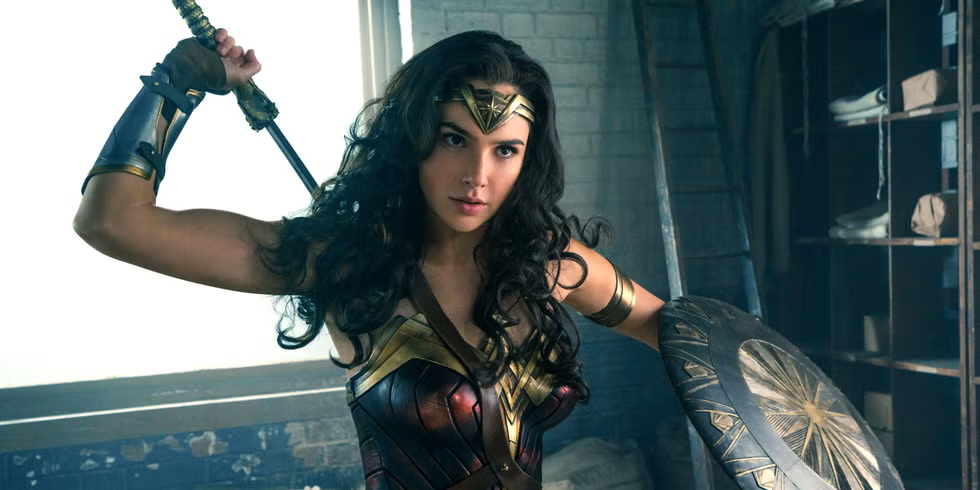
In the ever-expanding world of superhero cinema, few films have reshaped the genre quite like Wonder Woman (2017). At a time when comic book blockbusters were largely dominated by male heroes, this film arrived with confidence and clarity, proving that audiences across the United States, Canada, Australia, and Europe were ready for something different. Starring Gal Gadot as Diana Prince and directed by Patty Jenkins, Wonder Woman delivered more than spectacle—it delivered heart, purpose, and a new standard for heroism.
When Gal Gadot was first cast in the role, public reaction was mixed. Some questioned whether she had the experience to portray such an iconic figure. Others wondered whether she could embody the physical presence and emotional depth associated with one of the most recognizable superheroes in comic book history. Wonder Woman had long been a symbol of strength and justice, and expectations were understandably high.
Video: Wonder Woman (2017) – No Man’s Land Scene (6/10) | Movieclips
Instead of responding to doubt with defensiveness, Gadot responded with preparation. She trained extensively, committing to months of physical conditioning that included weight training, martial arts, sword combat, and choreography work. The transformation was not just physical—it was mental. She studied the character’s origins, motivations, and moral compass. When she first appeared briefly in Batman v Superman: Dawn of Justice (2016), audiences took notice. Even with limited screen time, her presence was magnetic.
But it was in Wonder Woman (2017) that the character truly came into her own.
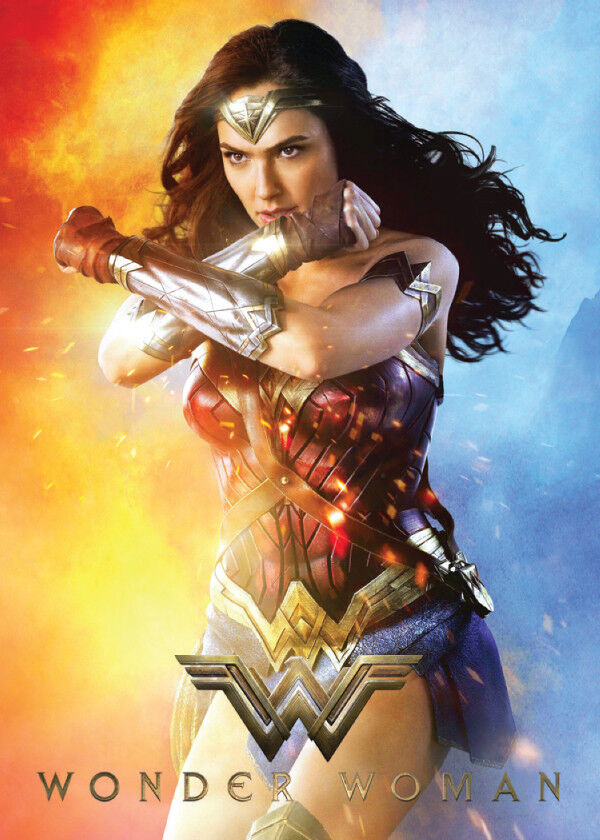
Set against the backdrop of World War I, the film tells the story of Diana’s journey from the hidden island of Themyscira to the human world. Raised among fierce Amazon warriors, Diana grows up believing in justice, honor, and the power of compassion. When she learns about the devastating global conflict, she makes a bold choice: she will leave the only home she has ever known to help end the suffering.
What makes Diana’s story so compelling is her unwavering belief in goodness. Unlike many modern superheroes who struggle with cynicism or internal conflict about their responsibilities, Diana steps forward with conviction. She sees injustice and refuses to ignore it. Her courage is not fueled by ego or vengeance, but by empathy.
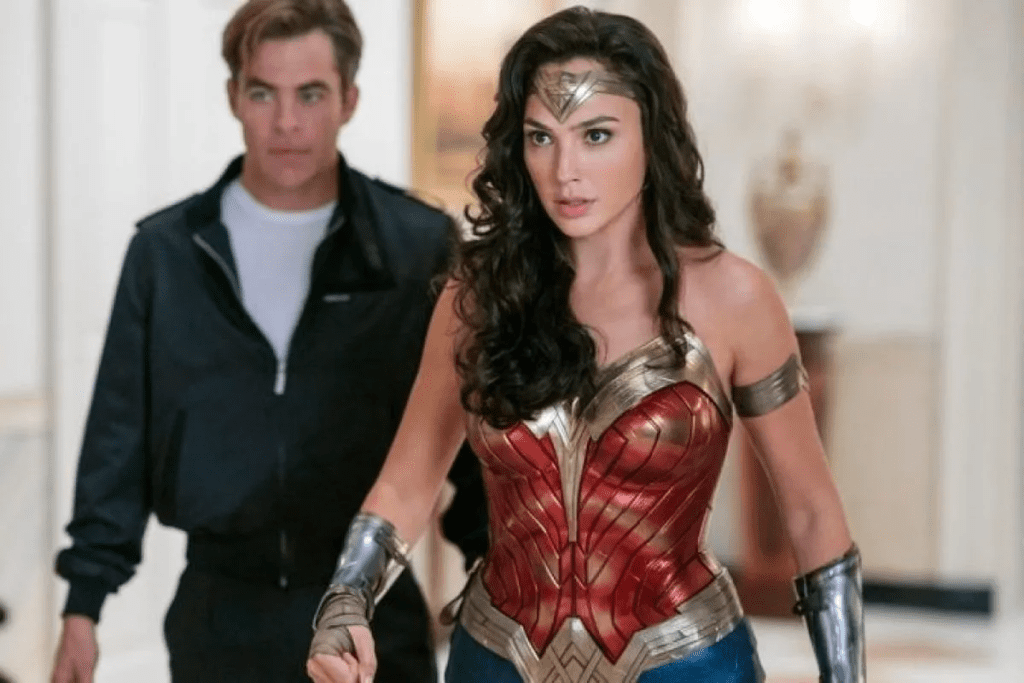
Gal Gadot brings this balance to life with remarkable authenticity. Her Diana is strong without being hardened, graceful without being fragile. She moves through battle scenes with commanding intensity, yet in quieter moments, her curiosity about humanity feels genuine and warm. This duality is what sets her apart. She is a warrior, but she is also deeply compassionate.
One of the most celebrated sequences in the film is the “No Man’s Land” scene. In this pivotal moment, Diana crosses a battlefield that soldiers have deemed impassable. As bullets fly and chaos erupts around her, she advances with shield raised, determined to protect those who cannot protect themselves. The scene is visually striking, but its emotional weight is what resonates most. It symbolizes breaking barriers—both within the story and within the film industry itself.
Audiences around the world responded powerfully. In North America, Europe, and beyond, viewers saw something refreshing: a superhero defined not by brute force alone, but by moral clarity. The film’s success at the global box office—earning over $800 million—confirmed what many had hoped. Stories centered on strong female protagonists were not niche; they were universal.
Video: Wonder Woman (2017) – Dress Shopping Scene (4/10) | Movieclips
Beyond financial milestones, Wonder Woman left a cultural imprint. Parents brought their daughters to theaters to see a hero who looked like them. Young viewers dressed as Diana for Halloween and school events, inspired by her confidence and courage. The character became more than a cinematic figure—she became a symbol of empowerment and resilience.
Patty Jenkins’ direction also played a crucial role in shaping the film’s tone. Rather than focusing solely on destruction and scale, she emphasized character development and emotional stakes. The relationship between Diana and Steve Trevor added warmth and humor without overshadowing her independence. Their dynamic felt balanced and respectful, reinforcing the idea that partnership does not diminish strength.
For many critics and moviegoers alike, Wonder Woman represented a turning point. It demonstrated that audiences crave layered storytelling within the superhero genre. Spectacle matters, but heart matters more. The film proved that courage, compassion, and integrity are timeless qualities that transcend gender.
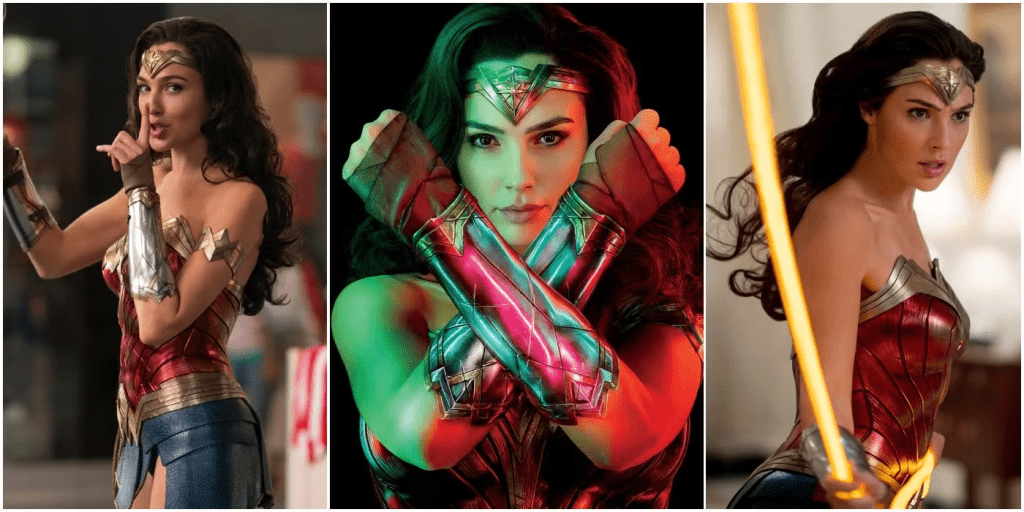
Gal Gadot’s portrayal became a defining moment in her career. She transformed skepticism into admiration and redefined what modern heroism looks like on screen. Her performance blended physical power with emotional intelligence, offering a blueprint for future superhero narratives.
Years later, Wonder Woman (2017) continues to be referenced as a milestone in Hollywood history. It challenged long-standing assumptions and opened doors for more inclusive storytelling. Most importantly, it reminded viewers that true heroism lies not in invincibility, but in the willingness to stand up for what is right.
In a cinematic landscape often filled with larger-than-life figures, Diana Prince stands out because of her humanity. She fights not for fame or recognition, but for justice and hope. And in doing so, she proved that superheroes are not defined by gender—they are defined by courage, empathy, and an unshakable belief in a better world.