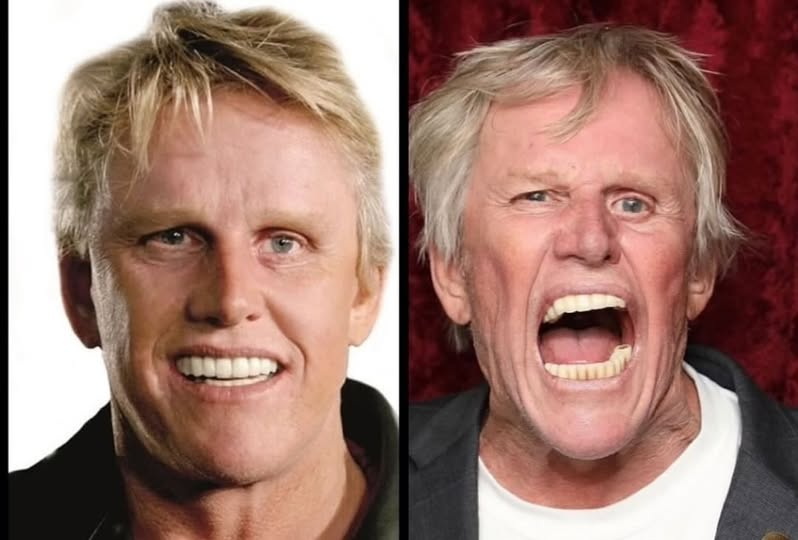
When I think about Gary Busey, one word always comes to mind: intensity. He never simply played a role. He attacked it with raw emotion, fearless energy, and a presence you couldn’t ignore. Love him or question him, you always remembered him. And that alone made him different in a crowded Hollywood landscape.
But behind the larger-than-life persona is a life story that feels almost cinematic in itself. This is not just about fame or talent. It is about endurance, reinvention, and learning how to keep standing when everything you built seems to fall apart.
A Relentless Drive Toward Acting
Gary Busey’s early years in entertainment were fueled by ambition and hunger. He wanted more than background roles or safe performances. He chased parts that required emotional exposure, roles that demanded everything he had. That fearless approach quickly set him apart from other actors of his generation.
Hollywood noticed his energy long before audiences fully understood it. Casting directors saw someone unpredictable yet magnetic. That mix opened doors and laid the foundation for his biggest breakthrough.
The Role That Defined a Generation
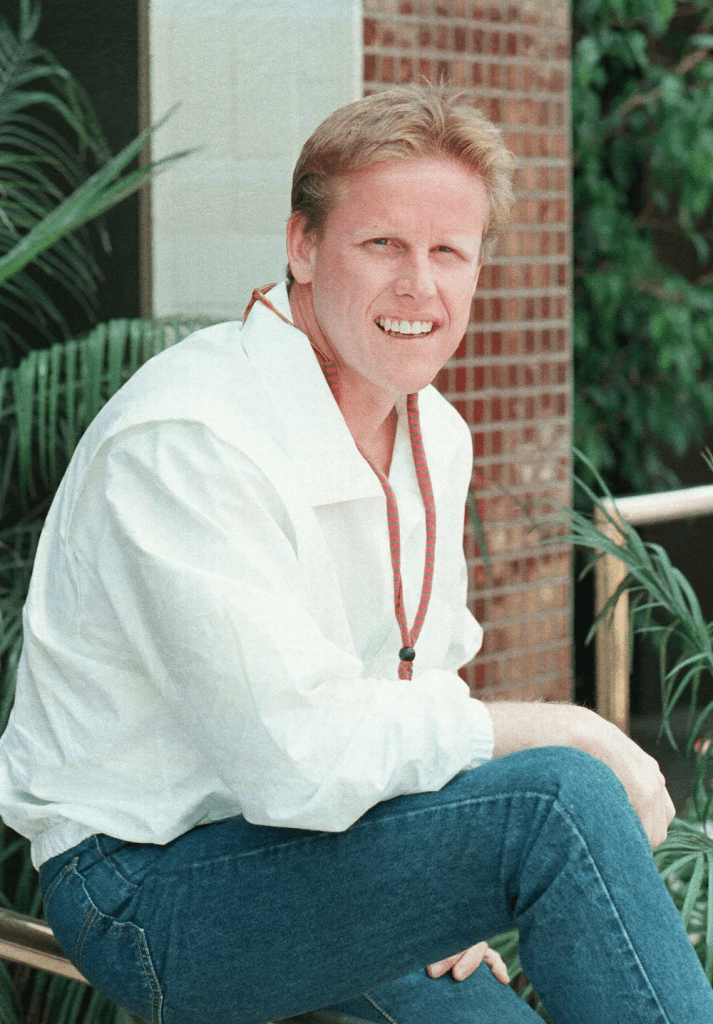
Everything changed in 1978 when Busey portrayed Buddy Holly in The Buddy Holly Story. This performance did not feel like acting. It felt like possession. He captured the spirit, vulnerability, and passion of the legendary musician in a way that resonated deeply with audiences.
The role earned him an Academy Award nomination and placed him firmly in Hollywood’s spotlight. For a moment, it seemed like his future had no ceiling. Success felt inevitable. But life rarely follows a perfect script.
A Sudden Turn That Changed Everything
In 1988, a motorcycle accident altered Gary Busey’s life forever. The injuries were severe, and recovery was long and complicated. Physical pain was only part of the struggle. The accident also triggered emotional and cognitive challenges that reshaped his daily life.
Imagine waking up and realizing that the version of yourself you once knew is gone. That was the reality Busey faced. The man who once moved effortlessly through Hollywood now had to fight simply to regain balance.

Financial Pressure and Public Struggles
As work slowed and medical costs mounted, financial pressure followed. In 2012, Busey filed for bankruptcy, a moment that made his struggles painfully public. For many, that kind of setback would signal the end of a career.
But quitting was never his style. Instead, he adapted. He took on unconventional roles, appeared in television projects, and stayed active in entertainment in whatever way he could. Survival became its own form of success.
Rebuilding Through Love and Stability
Later in life, Busey found something he had long lacked: emotional stability. His relationship with his wife, Steffanie Sampson, brought balance and calm into a world that had often felt chaotic. Despite their age difference, the connection worked because it was rooted in understanding and support.
He has openly acknowledged her role in helping him find peace. Sometimes love does not arrive when you expect it. Sometimes it arrives when you need it most.
A New Voice in the Digital Age
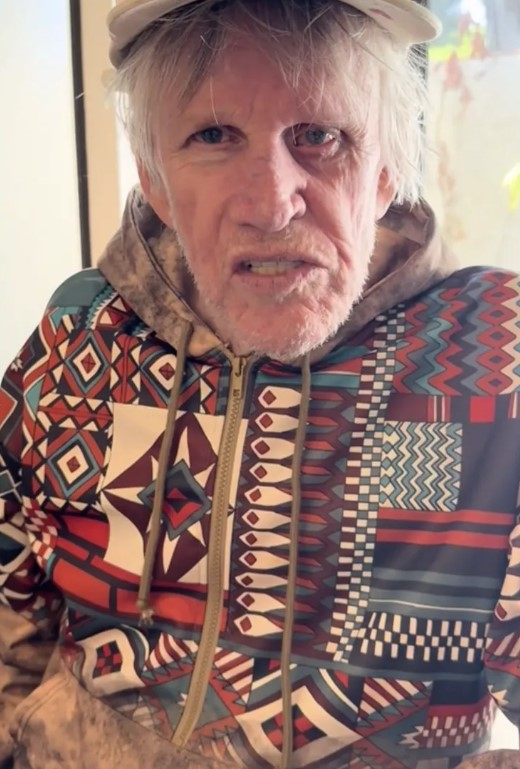
Social media offered Gary Busey a fresh platform to connect directly with fans. His videos are often humorous, strange, and unexpectedly heartfelt. They reflect a man unafraid to be himself, even when that self defies convention.
Millions of views later, it is clear that his voice still resonates. In an age of polished images, his authenticity feels refreshing.
Gary Busey’s life is not a story of smooth success. It is a story of survival, reinvention, and staying true to oneself despite pain and loss. From career highs to devastating setbacks, he kept moving forward.
His journey reminds us that resilience matters more than perfection. Sometimes the greatest victory is simply refusing to disappear.