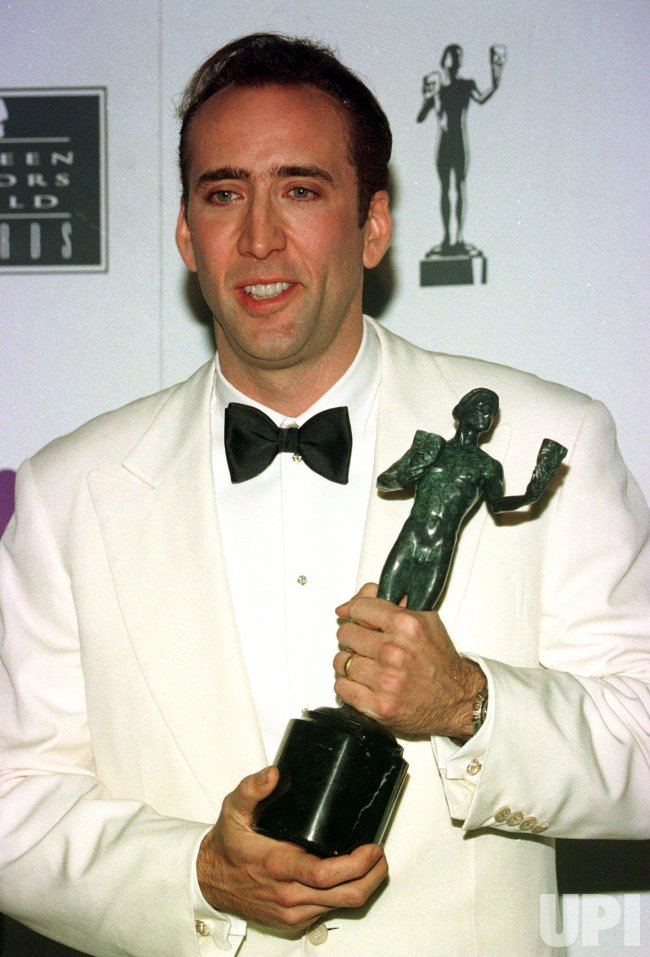
I’ve watched Nicolas Cage morph into all kinds of characters over the years, but this one hits differently. On the Atlanta set, Cage doesn’t look like he’s wearing a costume. He looks like he’s carrying a different gravity. At 61, he has reshaped himself completely to portray John Madden, using an expertly designed prosthetic build that mirrors Madden’s powerful frame. The thick, slightly unruly hair completes the illusion, pulling us straight into the late 1970s.
What struck me most wasn’t the visual change itself. It was how naturally Cage moved within it. This wasn’t disguise. It was alignment. Like a veteran quarterback slipping back into the pocket, Cage looks comfortable inside this new physical language.
Video: The Sharp Cop’s Hunch | How A Cop Knew The Store Was Robbed Without Being
Why This Role Marks a Turning Point
This performance feels like a reset button. Cage isn’t chasing noise or spectacle here. He’s chasing meaning. Playing John Madden allows him to slow down, to trade eccentricity for authority. And that choice matters.
There’s a quiet confidence in how he approaches the role. He doesn’t overplay Madden’s personality. Instead, he lets presence do the work. The result is a performance that feels grounded and intentional, as if Cage is reminding everyone that longevity in this business comes from evolution, not repetition.

The Heart of the Film Lies in a Complex Partnership
At the center of the story is the relationship between John Madden and Al Davis. This isn’t a feel-good collaboration. It’s a pressure cooker. Madden brings structure and deep understanding of the game. Davis brings rebellion, risk, and a refusal to accept limits.
Their partnership transformed the Oakland Raiders into a dominant force, but it wasn’t smooth or polite. The film leans into that friction. You see two powerful minds pulling in different directions, somehow moving forward together. It’s messy. It’s tense. And it feels real.
Video: Becoming The Ghost Rider
Christian Bale as the Perfect Counterweight
Christian Bale’s performance as Al Davis adds weight to every scene. Bale approaches the role with his trademark intensity, and that precision creates balance. When you pair that level of preparation with Cage’s instinct-driven style, something special happens.
Their scenes crackle with energy. Sometimes it feels like a chess match. Other times, like two storms colliding. Bale’s disciplined approach gives Cage room to push boundaries without losing control. Together, they create a dynamic that anchors the entire film.

Football Is Just the Starting Line
What surprised me most is how the film expands beyond the field. This isn’t just about wins, losses, or locker-room speeches. It’s about influence. Starting in the 1980s, Madden played a crucial role in translating football into a digital experience.
The story explores how his deep, almost instinctual understanding of the game helped shape an entirely new genre of sports entertainment. It’s fascinating to watch a man rooted in physical space and movement help define something virtual and technical. That contrast gives the film unexpected depth.
Video: Nic Cage is almost unrecognizable as John Madden
From Instinct to Innovation
One of the film’s smartest ideas is showing how Madden’s sense of timing, spacing, and decision-making could be converted into systems and simulations. That process wasn’t smooth. It required patience, debate, and a willingness to rethink how knowledge is shared.
The movie treats this transformation with care. It doesn’t rush it. Instead, it shows how expertise evolves when it meets new technology. Madden wasn’t just lending credibility. He was shaping how future generations would understand the game.
David O. Russell’s Focus on Grit and Identity
Director David O. Russell keeps the spotlight on character rather than spectacle. His approach feels deliberate. Every scene serves a purpose. Every conflict pushes the characters toward change.
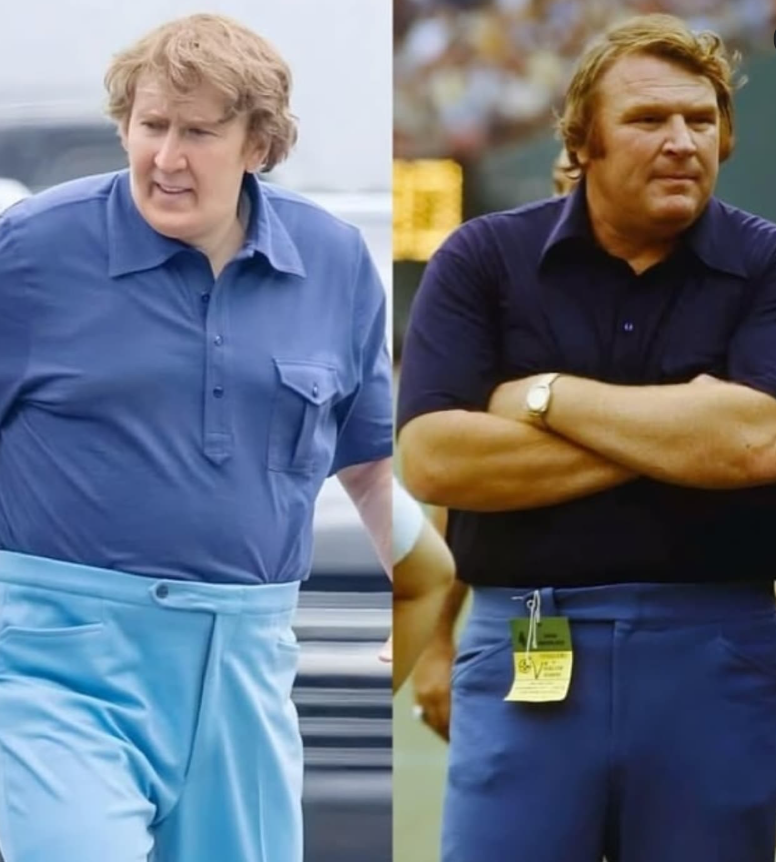
Russell allows moments of silence and tension to breathe. That restraint gives the performances room to grow. It also reinforces the film’s central idea: resilience isn’t loud. It’s built slowly, through persistence and adaptation.
Cage’s Answer to the Critics
There’s an unspoken narrative running alongside the film. Cage knows he’s been underestimated. Instead of addressing that directly, he lets the work respond. This role feels like a quiet rebuttal to anyone who thought his best days were behind him.
By embracing transformation, Cage challenges the idea that relevance fades with time. He shows that reinvention is a skill, one that requires humility and courage. Watching him embody Madden feels like watching an artist rediscover his center.
This film isn’t just a biographical drama. It’s a meditation on growth, partnership, and the power of adaptation. Nicolas Cage’s portrayal of John Madden feels focused, mature, and deeply human. Supported by strong performances and thoughtful direction, the story reaches beyond football to explore how knowledge, instinct, and resilience can shape culture itself. In the end, it’s not just Madden’s legacy on display. It’s Cage’s evolving legacy too, unfolding right in front of us.