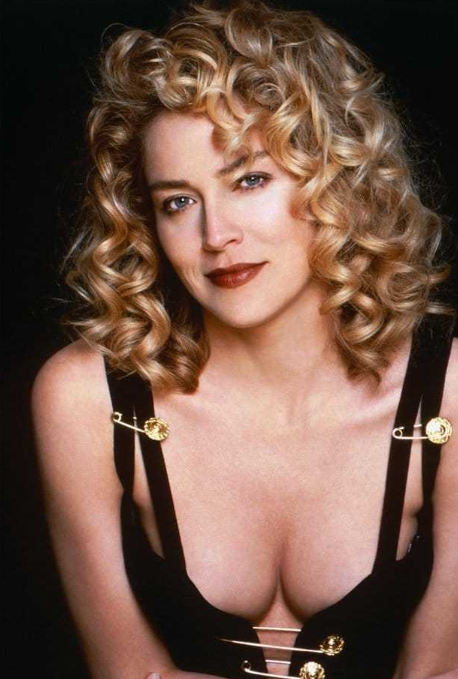
Sharon Stone is not just a Hollywood star. She is a survivor, a thinker, and a woman who has repeatedly rewritten her own story. While many actors burn bright and fade fast, Sharon Stone built a career that stretches across decades, genres, and generations. Her journey is not about overnight fame. It is about endurance, intelligence, and the courage to evolve when life forces change.
When I look at her career, I don’t just see red carpets and iconic roles. I see a woman who refused to be defined by one moment, one image, or one setback.
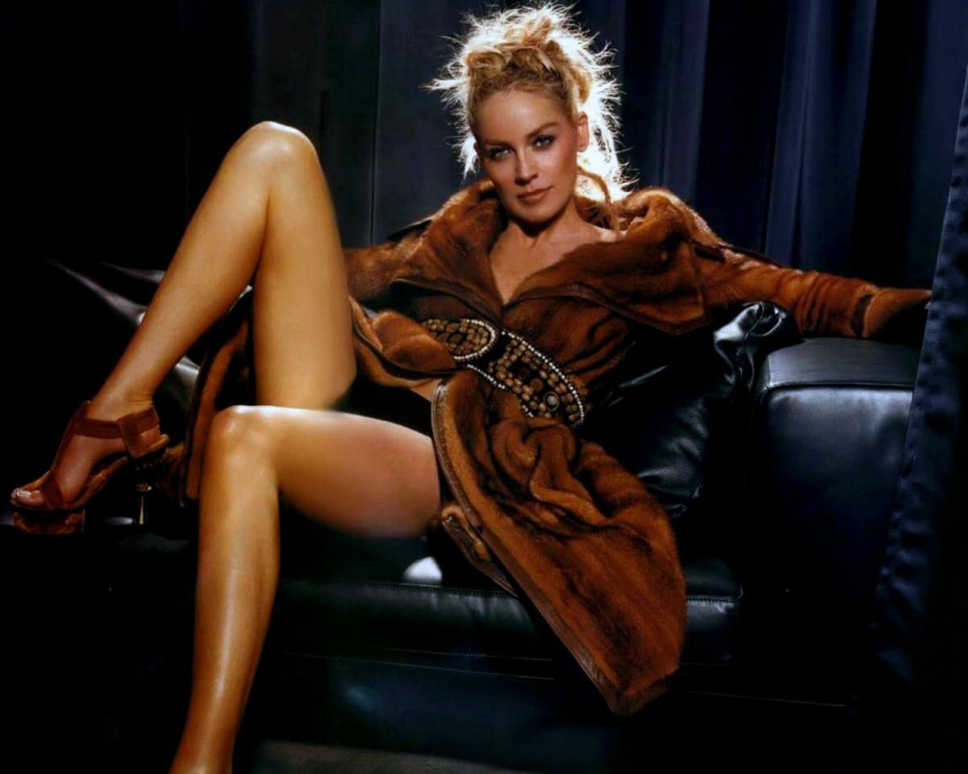
Early Life and an Uncommon Intellect
Sharon Vonne Stone was born on March 10, 1958, in Meadville, Pennsylvania. Her family lived a modest, working-class life. Her mother worked as an accountant, and her father was a factory worker and tool-and-die maker. There was no Hollywood safety net waiting for her.
Video: Sharon Stone – No Time to Die
What set Sharon apart early was her mind. She demonstrated exceptional intelligence as a child and skipped grades in school. By the age of 15, she earned a scholarship to Edinboro University of Pennsylvania, where she studied creative writing and fine arts. That background shaped her voice and her ability to analyze characters deeply later in life.
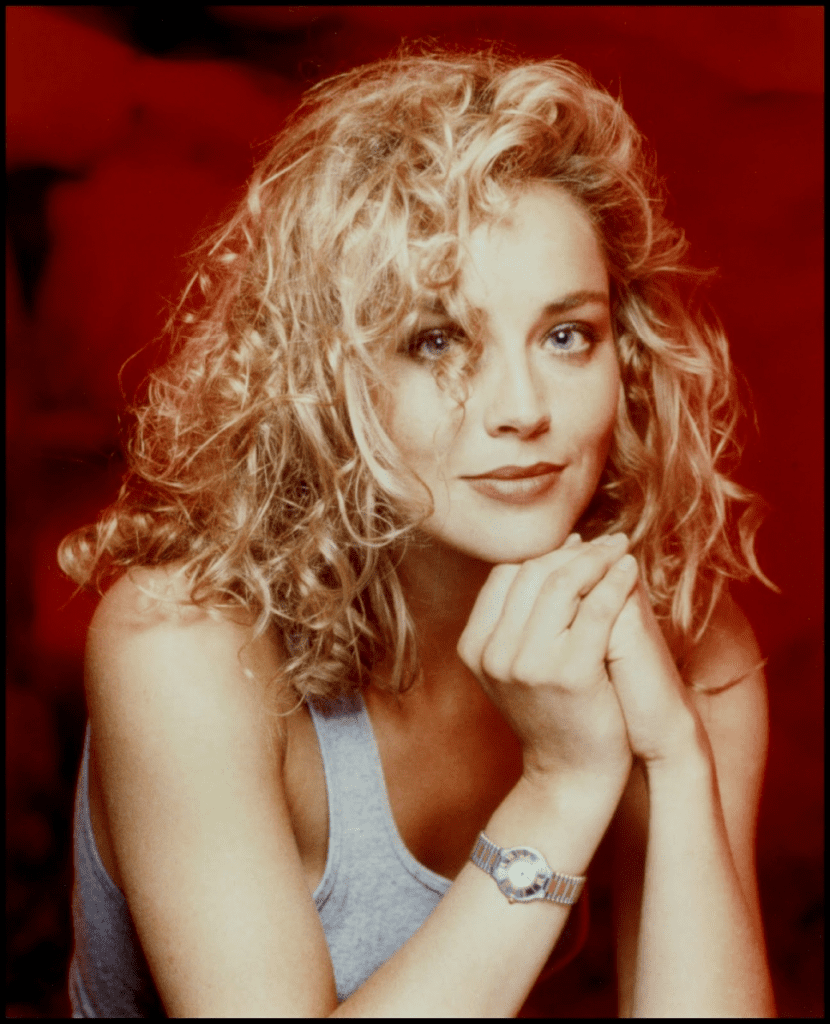
Even then, performance called to her. She wanted to express ideas, emotions, and stories. Modeling and acting became pathways, not destinations.
Modeling as a Gateway, Not a Final Goal
Sharon Stone’s first step into the entertainment world came through modeling. After winning several beauty competitions, she signed with Ford Modeling Agency in New York City. Her striking features and commanding presence quickly drew attention.
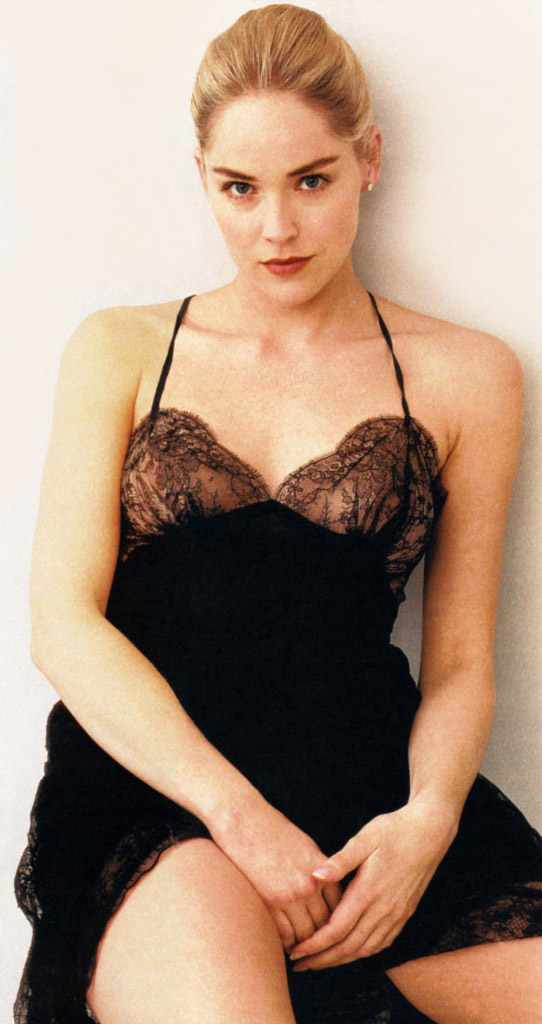
But modeling was never the endgame. Sharon wanted substance. She wanted complexity. In 1980, she made a deliberate decision to pivot toward acting. That choice required patience, humility, and persistence.
This transition wasn’t glamorous. Early roles were small, and rejection was constant. Still, she showed up. Every audition was a lesson. Every setback sharpened her resolve.
Breaking Through Hollywood’s Locked Doors
Sharon Stone’s first film appearance came in Stardust Memories in 1980, directed by Woody Allen. It was a small role, but it placed her on the radar. More supporting parts followed, including Irreconcilable Differences in 1984.
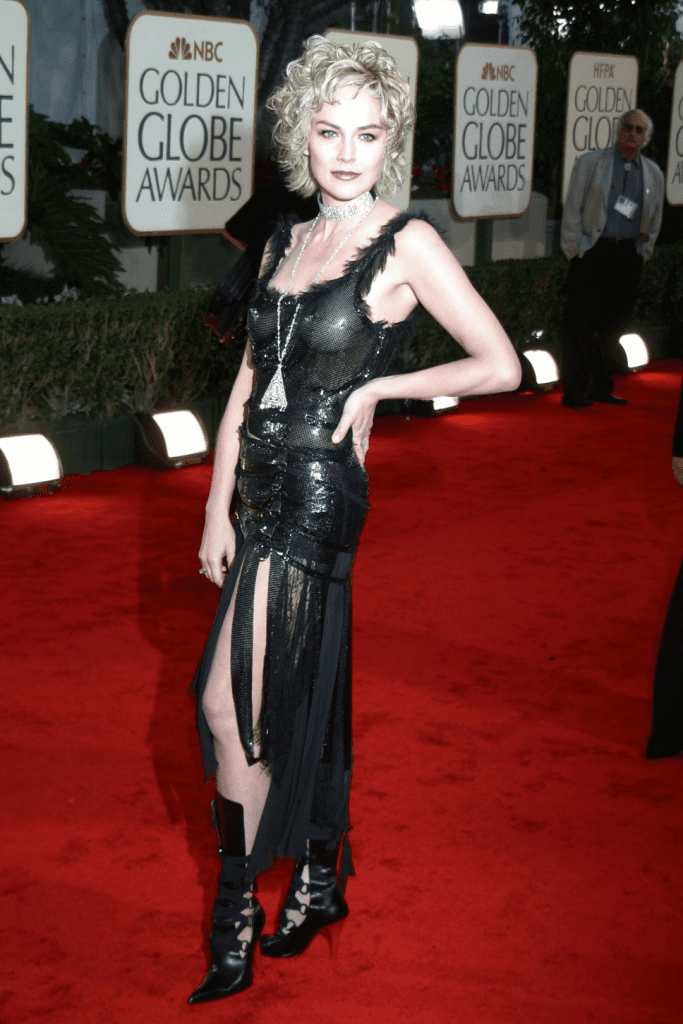
Throughout the 1980s, she worked steadily in action and science fiction films like King Solomon’s Mines and its sequel. These roles did not bring instant prestige, but they built resilience. Sharon learned how sets functioned, how audiences reacted, and how to carry a film even when the script fell short.
Most actors quit during this phase. She didn’t.
The Role That Changed Everything
Everything shifted in 1992 with Basic Instinct. Sharon Stone’s portrayal of Catherine Tramell electrified audiences and critics alike. The character was intelligent, dangerous, and psychologically layered. The performance demanded control, confidence, and fearlessness.
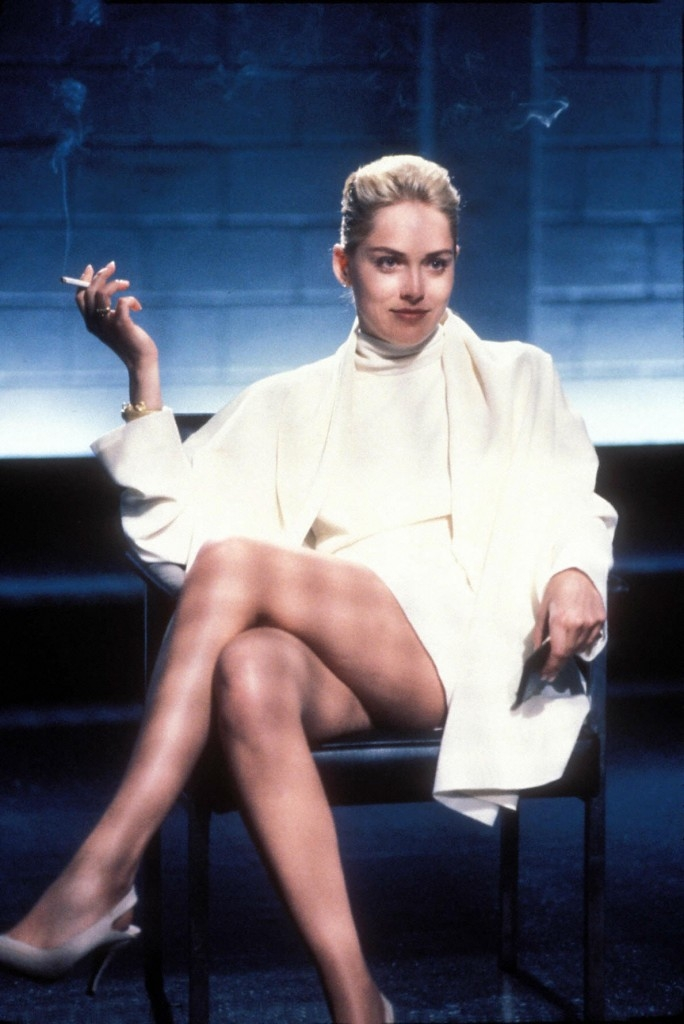
The film caused controversy, but Sharon’s acting could not be ignored. She didn’t rely on shock. She commanded the screen with precision. Overnight, she became a global star, but more importantly, she became a serious force in Hollywood.
That role opened doors that had been locked for over a decade.
Proving Depth with Award-Winning Performances
Rather than leaning into typecasting, Sharon Stone made a strategic move. In 1995, she starred in Casino, directed by Martin Scorsese. Her role as Ginger McKenna was raw, volatile, and emotionally devastating.
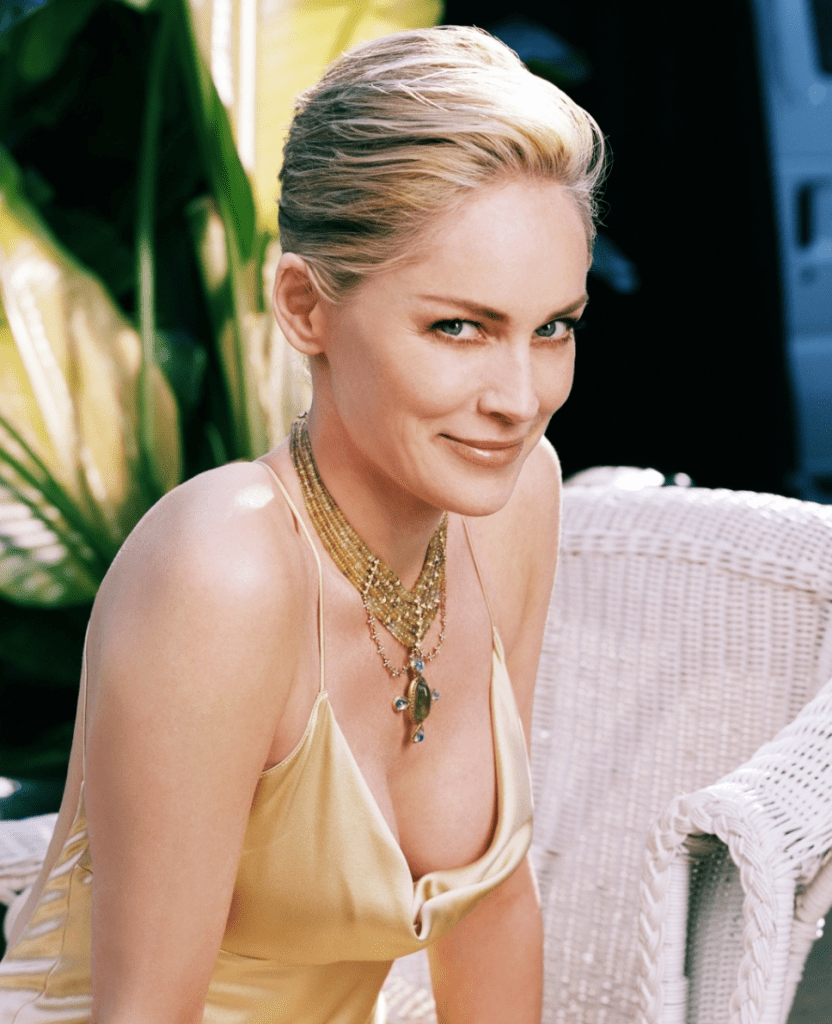
This performance earned her a Golden Globe Award and an Academy Award nomination. It erased any doubt about her talent. Sharon Stone was no longer underestimated. She had proven she could carry emotional weight, vulnerability, and darkness with remarkable control.
This period marked the peak of her artistic recognition.
Health Crisis and a Forced Reinvention
In 2001, Sharon Stone faced a life-altering event. She suffered a severe brain hemorrhage that nearly took her life. The recovery was long, painful, and uncertain. She lost physical strength, speech clarity, and career momentum.
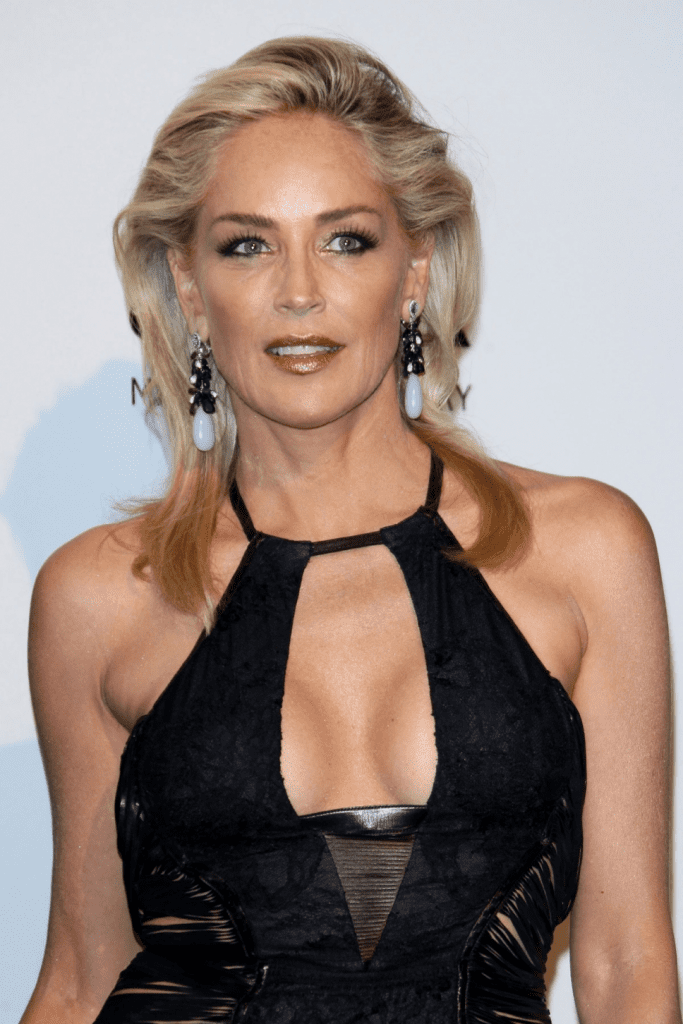
For many, this would have been the end. For Sharon, it became another beginning.
She stepped away, healed slowly, and re-entered the industry on her own terms. She chose independent films, television roles, and projects that challenged her intellectually rather than commercially.
A Strong Return to Screen and Storytelling
After her recovery, Sharon Stone appeared in films like Broken Flowers and television series such as Huff. In 2010, her dramatic role on Law & Order: Special Victims Unit reminded audiences of her depth and authority as an actress.
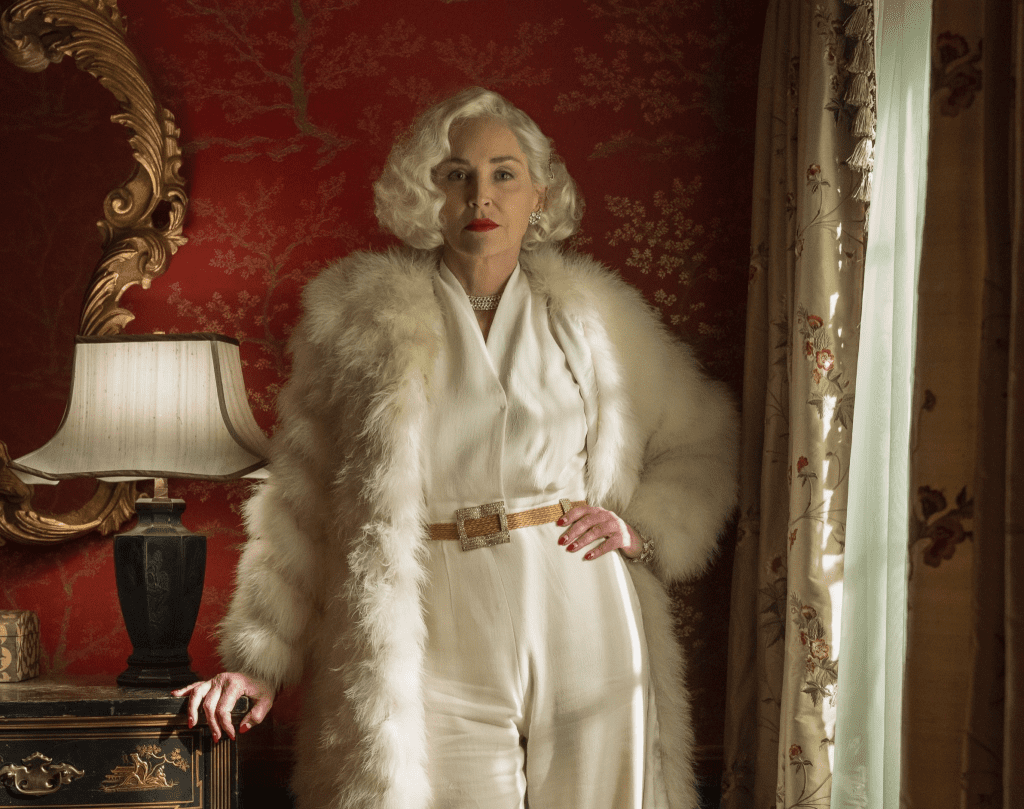
In 2020, she captivated a new generation in the series Ratched, where she played Lenore Osgood. The role proved that time had sharpened her presence rather than dulled it.
She didn’t chase relevance. She embodied it.
Activism, Advocacy, and Personal Truth
Beyond acting, Sharon Stone has dedicated herself to humanitarian work. She has been a strong advocate for HIV and AIDS research and served as an ambassador for amfAR. Her activism earned her international recognition, including a Nobel Peace Summit Award.
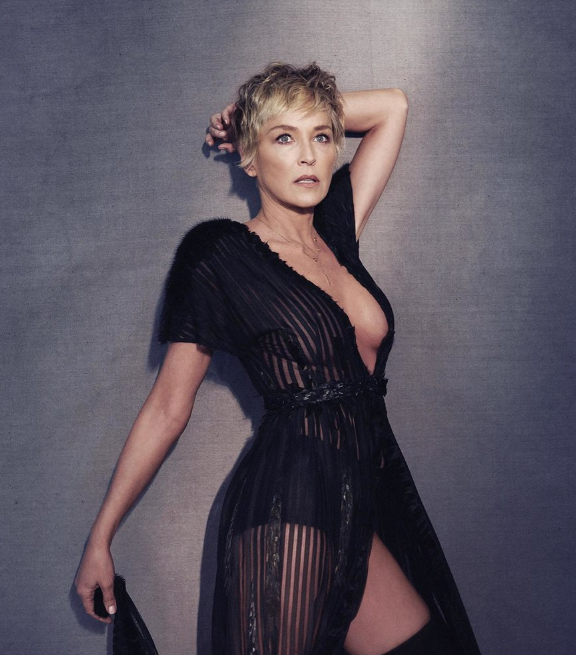
She has also spoken openly about women’s rights, ageism, and inequality in Hollywood. Her honesty has made her a role model for resilience and self-advocacy.
In 2021, she published her memoir The Beauty of Living Twice. The book revealed her health struggles, emotional recovery, and renewed sense of purpose. It resonated deeply with readers because it was raw and unapologetically human.
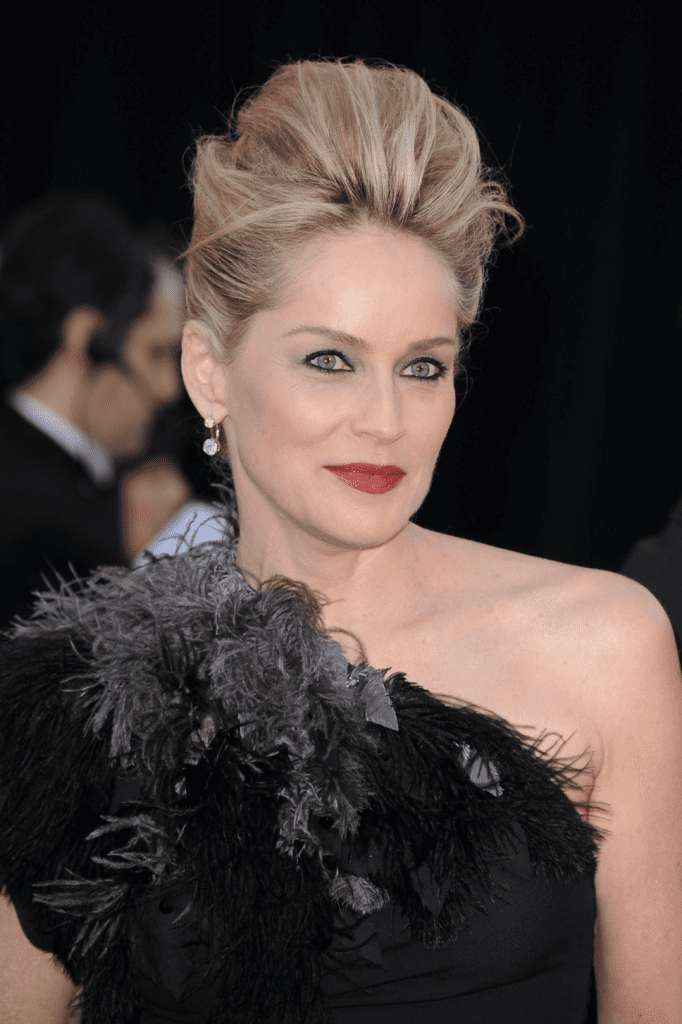
Sharon Stone’s story is not about perfection. It is about persistence. From a gifted child in Pennsylvania to a global screen icon, from near-death to renewed purpose, she has lived multiple lives in one.
Her legacy extends beyond film. It lives in her advocacy, her honesty, and her refusal to disappear quietly. Sharon Stone shows us that reinvention is not a response to failure. It is a choice driven by courage.