If you close your eyes and imagine the music world in 1993, it feels almost cinematic. The air carried the scent of hairspray, the buzz of late-night television, and the glow of bulky CRT screens flickering in dim living rooms. Pop culture was shifting, but the transformation wasn’t obvious yet.
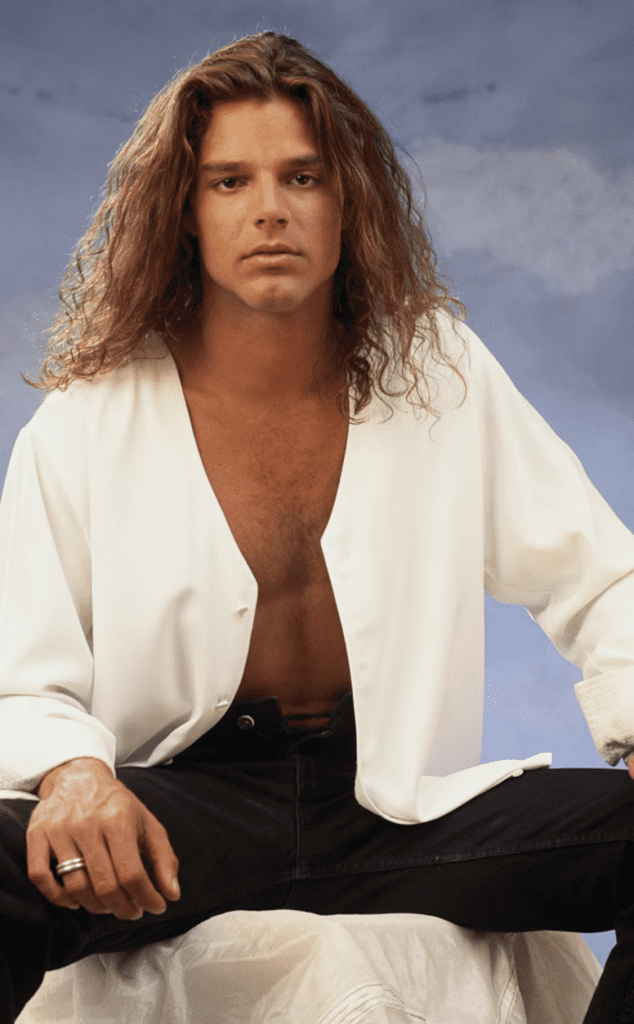
For many people, Ricky Martin was still remembered as the charismatic teenager from the famous Latin pop group Menudo. His image lingered on posters and magazine pages, frozen in time as the smiling boy-band heartthrob. But something had changed. Beneath the surface, a different energy was building—one that hinted at a future far bigger than anyone expected.
I like to think of it like a radio signal slowly tuning into a clearer frequency. If you were paying close attention back then, you could feel it: Ricky Martin was no longer just part of the chorus. He was preparing to lead the melody.
Video: “Living the Crazy Life” “Living la Vida Loca” — Ricky Martin
Breaking Away from the Shadow of Menudo
Leaving a successful group is never easy. Think about it—when audiences first know you as part of something bigger, stepping out alone can feel like walking a tightrope without a safety net.
For Ricky Martin, the challenge was not just proving he could sing on his own. He had to show the world that he was more than a former teen idol.
That meant reinventing himself.
Instead of relying on nostalgia, he began building a new identity. His presence grew more confident, his voice deeper, and his artistic vision clearer. The training wheels of boy-band fame had finally come off.
And the transformation wasn’t gradual—it was deliberate.
Balancing Acting and Music Ambitions
During this period, Ricky wasn’t just chasing music success. He was juggling two demanding careers at once.
A Rising Star on Television
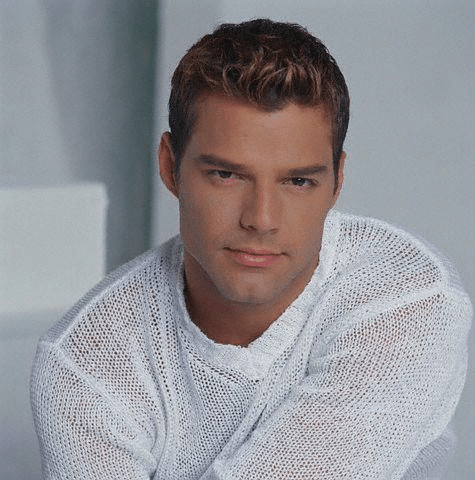
By day, he was working on the set of the iconic American soap opera General Hospital. Playing the character Miguel Morez, Ricky brought intensity and charisma to daytime television.
Fans quickly noticed his magnetic screen presence. His performance blended emotion, charm, and quiet confidence—qualities that made viewers tune in regularly.
But acting was only half the story.
Late Nights in the Recording Studio
When the cameras stopped rolling, Ricky’s second shift began.
He would head straight to the recording studio, swapping scripts for lyric sheets. Long nights were spent experimenting with melodies, perfecting vocals, and shaping the sound of his next musical chapter.
The schedule was exhausting.
But that relentless hustle is what separated dreamers from legends.
Video: Ricky Martin – Livin’ la Vida Loca
Creating the Album “Me Amarás”
One of the most defining moments of Ricky Martin’s early solo career came with the release of his second album, Me Amarás.
Working alongside renowned producer Juan Carlos Calderón, Ricky began refining a sound that felt more mature and emotionally layered than anything he had done before.
A New Musical Direction
This album marked a turning point.
Instead of chasing the sugary pop style associated with teen groups, Ricky embraced deeper romantic ballads and powerful melodies. The music felt richer, more expressive, and undeniably personal.
Songs like “Que Día Es Hoy” carried emotional weight while still maintaining an irresistible rhythm.
You could hear the difference.
The voice of a boy band singer had evolved into the voice of a solo artist discovering his full range.
Blending Latin Soul with Pop Sensibility
What made the album truly special was its cultural heartbeat.
Behind the polished production, you could sense the influence of Puerto Rican musical heritage. There was passion in the phrasing, warmth in the melodies, and a rhythm that felt authentic rather than manufactured.
It wasn’t just pop.
It was Latin pop with soul.
The Electricity of Ricky Martin’s Live Performances
Albums can introduce an artist, but live performances reveal their true power.
And in 1993, Ricky Martin’s stage presence was impossible to ignore.
Energy That Filled the Room
Watching him perform was like witnessing controlled lightning.
He could shift seamlessly from heartfelt ballads to explosive dance numbers. One moment he was delivering a tender verse that felt intimate, and the next he was commanding the stage with a burst of movement and charisma.
Crowds didn’t just watch him—they felt the performance.
The Birth of an Iconic Stage Persona
These tour performances helped define the Ricky Martin that the world would later recognize.
His signature blend of vulnerability and confidence began to take shape. He moved with precision yet seemed completely natural, as if the stage were simply an extension of his personality.
Fans left those shows knowing they had seen something special.
The star power was undeniable.
1993: The Bridge to Global Stardom
When historians look back at Ricky Martin’s career, 1993 often stands out as a defining chapter.
It was the year when everything aligned:
• Acting success on American television
• A maturing musical identity
• A growing reputation as a captivating live performer
Most importantly, it was the year Ricky Martin stopped trying to prove himself.
Instead, he started showing the world exactly who he was.
That shift—from seeking approval to expressing authenticity—changed everything.
The Foundations of the Latin Pop Explosion
The late 1990s would later witness the massive global rise of Latin pop artists. The movement transformed international music charts and introduced millions of listeners to a vibrant new sound.
But movements don’t appear overnight.
They are built slowly by artists willing to experiment, evolve, and take risks.
In many ways, Ricky Martin’s work in the early 1990s helped lay the groundwork for that cultural shift. His determination, creativity, and relentless work ethic opened doors that would later swing wide for Latin music worldwide.
Looking back, 1993 feels less like a simple year and more like a launching pad.
Ricky Martin entered it as a recognizable pop figure with a past tied to a famous group. By the time the year closed, he had transformed into something far more compelling—a solo artist with vision, charisma, and unstoppable momentum.
He was no longer following the rhythm of the industry.
He was beginning to set the tempo.
And if you listened closely back then, beneath the buzz of television screens and late-night studio sessions, you could already hear it—the sound of a global superstar warming up.