I still remember my teenage years as a ballet dancer like they happened yesterday. Every choice I made revolved around discipline. Discipline wasn’t just a tool; it was my identity. I measured my value in rehearsals completed, calories avoided, and inches lost. Back then, I believed control meant success. Now I know it meant survival.
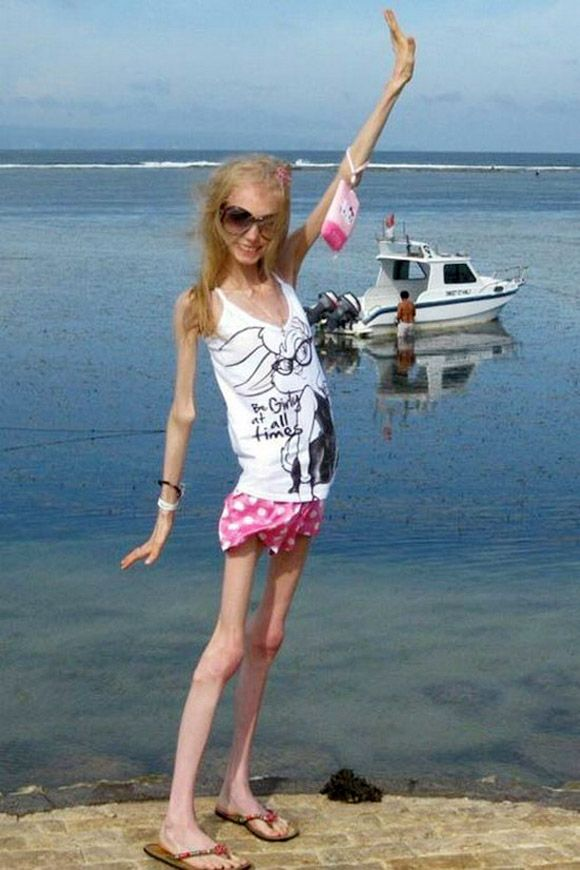
For years, I allowed myself one meal a day. Breakfast was the rule. Everything else was off-limits. Six days of restriction followed by one day of bingeing. It felt punishing, yet strangely rewarding because it kept me within the shape I thought I had to maintain. At my lowest, between ages fifteen and seventeen, I weighed just thirty-seven kilos. My sharp hip bones, narrow shoulders, and hollowed thighs felt like trophies. I loved them even as they quietly took everything from me.
The Culture That Turns Shrinking Into Success
I wasn’t alone in that mindset. Dance, modeling, performance—these worlds often praise fragility without saying it out loud. You learn quickly that smaller means better, lighter means prettier, and discipline means denial. And this doesn’t stop at the studio door. It’s cultural. Growing up female often means learning, early and often, that thinness equals worth.
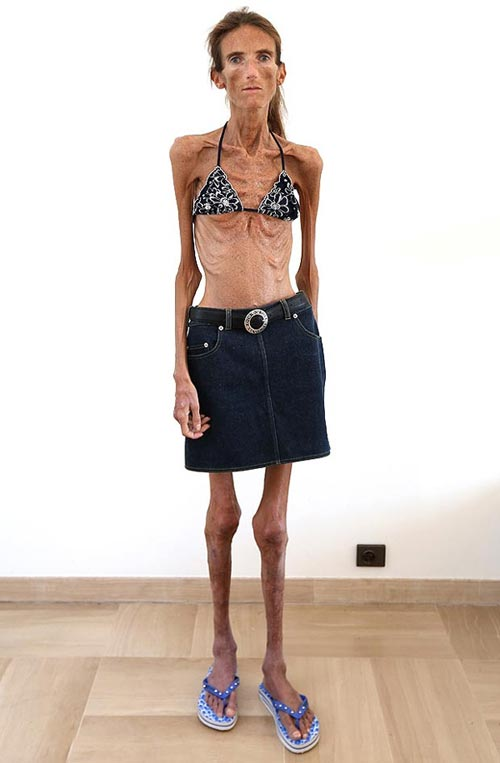
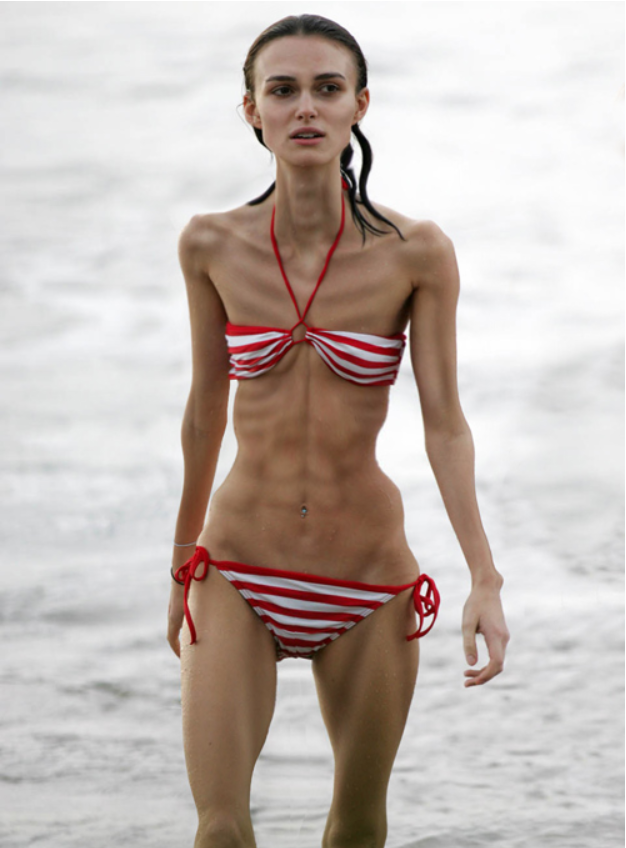
Even now, I’ll be honest: part of me still reacts to that aesthetic. Conditioning doesn’t disappear overnight. But time changes your eyesight. What once looked perfect now looks dangerous. When I see extremely thin actresses or influencers, I don’t see elegance anymore. I see alarms. I see bodies fighting battles we rarely acknowledge.
When Art Holds Up a Mirror
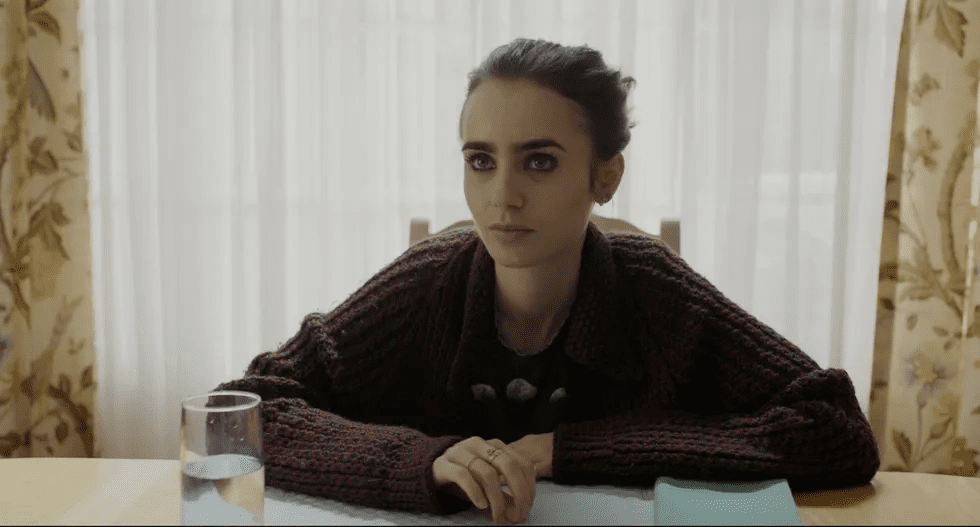
That’s why the film To the Bone hit me so hard. It doesn’t tiptoe around the issue. It follows a young woman battling anorexia with a bluntness that feels both necessary and unsettling. The story carries weight because it reflects lived experience—by the writers, the director, and even the actress who portrayed the lead.
And yet, it’s complicated. When an actor loses a significant amount of weight to portray illness, it risks sending a dangerous signal. It can make suffering look temporary, like something you can put on and take off with a costume change. Anyone who has lived through it knows the truth. This illness doesn’t work that way.
The Myth That Recovery Is Simple
Here’s what people often get wrong. Eating disorders aren’t cured by eating alone. Food is part of the solution, yes, but it’s not the whole story. The roots go deeper. They live in fear, control, shame, and silence. They grow in cultures that praise self-erasure and call it discipline.
The disease takes lives. And recovery isn’t a switch you flip. It’s emotional. It’s mental. It’s cultural. It requires dismantling beliefs you once used to survive.
Why Prevention Matters More Than Perfection
The harsh truth is this: prevention is the only real cure. And prevention demands a full rewrite of how we talk about bodies. It means rejecting the idea that thinner is better. It means teaching girls that beauty was never meant to fit one narrow shape.
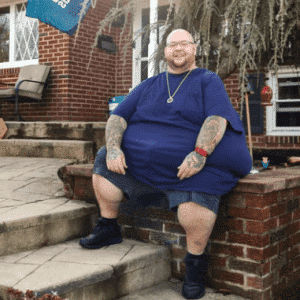
One scene in the film stood out to me for this very reason. It included a character who wasn’t thin but still suffered from an eating disorder. That mattered. It told a truth we often ignore. Thinness and heaviness can be two sides of the same pain. Both come from a mind tangled in fear and obsession. Both deserve care.
It was uncomfortable. And that discomfort felt necessary.
Becoming a Mother Changed the Question
Motherhood forced me to look at my past differently. I started asking hard questions. Had I modeled a healthy relationship with food? How could I expect my daughter to feel safe in her body when I once worshipped bones and control?
Growth doesn’t come with neat answers. It comes with honesty. Supporting her means unlearning old rules and building new ones together. And the clearest truth I’ve learned is this.
Being underweight is not a goal. It’s a warning.
Carrying extra weight is not a failure. It’s human.
Accepting that truth changed how I speak, how I eat, and how I listen.
Redefining Strength and Self-Acceptance
Strength doesn’t live in denial. It lives in nourishment. It lives in flexibility. It lives in compassion for a body that carries you through life instead of conforming to an impossible ideal.
My journey toward self-acceptance hasn’t been clean or quick. It’s been slow, uneven, and real. And that’s exactly why it matters.
Why This Story Needed to Be Told
In the end, the film succeeds because it refuses to glamorize the struggle. It doesn’t offer easy answers. It shows complexity. It shows cost. Most importantly, it tells a truth many women never hear.
Painful thinness isn’t beautiful. It’s exhausting. It’s dangerous. And it steals far more than it gives.
This story isn’t only for those battling eating disorders. It’s for every woman who learned to measure her worth in inches, numbers, or approval. Watching it helped me face parts of myself I had buried for years. And in that confrontation, healing began.
Moving from obsessive thinness to genuine self-acceptance is not a straight line. It’s a series of choices made daily. Stories like this matter because they pull back the curtain on a struggle so many endure in silence. By challenging the ideals we once chased, we make room for healthier minds and stronger bodies.
If this reflection helps even one woman step away from the pressure of perfection and toward a fuller, freer life, then it has done its job. Because worth was never meant to be measured by fragility.